Quick answers
The plumber and electrician opened up the walls. How are they closed so nothing shows?
The chases are filled with plaster up to the wall's level, with mesh where a crack could open. Then filling, sanding, primer, and paint over the whole wall.
When the plumbing or wiring is changed, the new pipes and cables usually go inside the wall, in chases. Once they are fixed firmly, the chases are filled with mortar or plaster, in more than one coat if they are deep, until they are level with the rest of the wall. Where new plaster meets old, or the chase is long, mesh helps stop a crack opening later.
In one kitchen, after the old tiles and units came out, the new water and electrical points went where the new kitchen needed them. The openings were closed up and the walls were plastered, straightened and painted. All that was left showing of the pipes and cables were the outlets, exactly where the appliances would be connected.
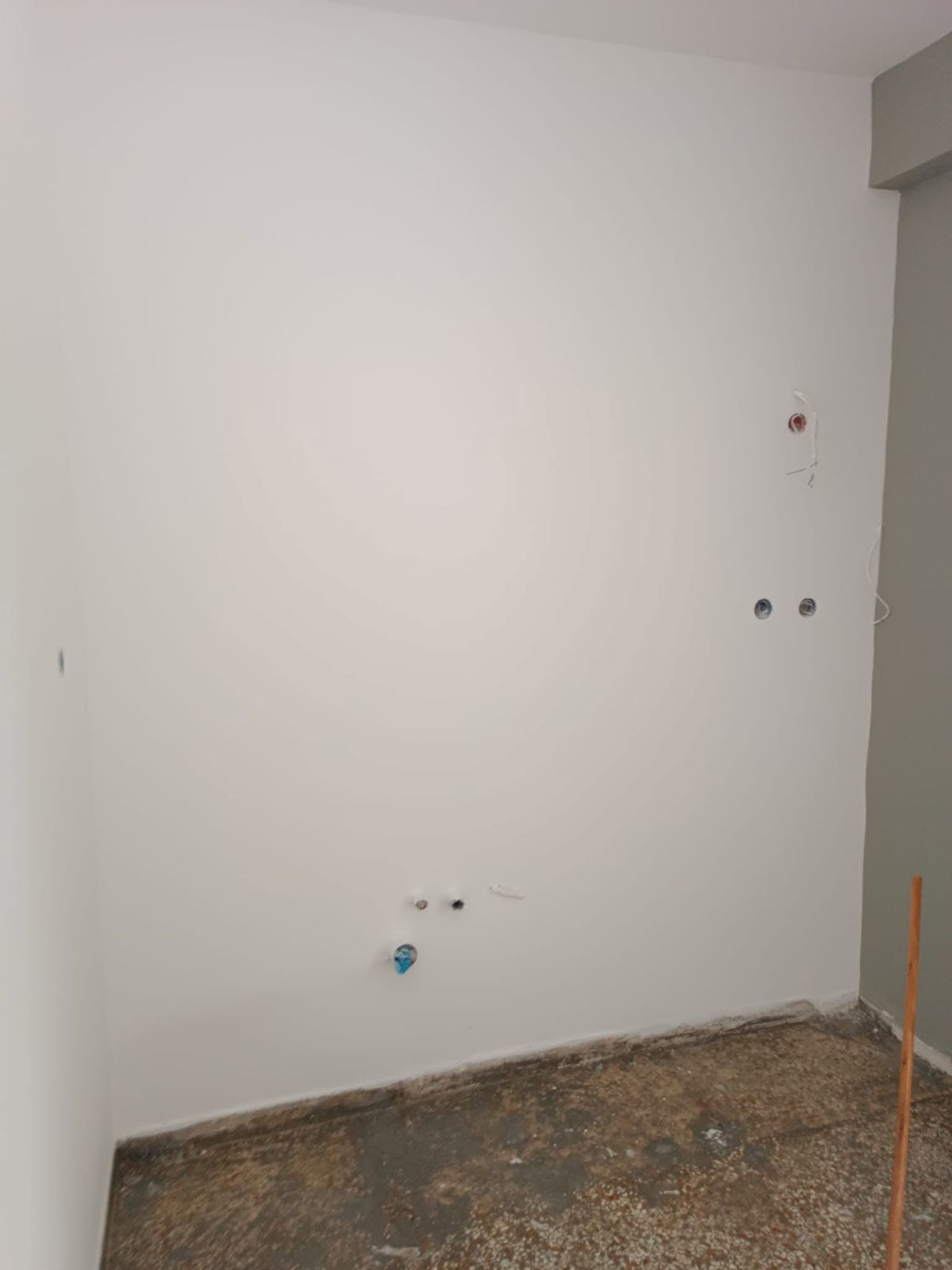
The finish is the same as for any other wall repair: filler, sanding, primer on the patched areas and paint, preferably over the whole wall, because a patch painted on its own usually stands out.
Keep in mind: before the chases are closed, check that the pipes don't leak and photograph where they run. Agree beforehand who closes the walls and who paints. And if the wall was opened for a leak, let it dry before it is painted.
Jobs that show it
Kitchen Stripped and Walls Rebuilt for New Units
The old kitchen tiles and units came out, new supply points went in, and the walls were plastered and painted, ready for a new kitchen.
See the job step by step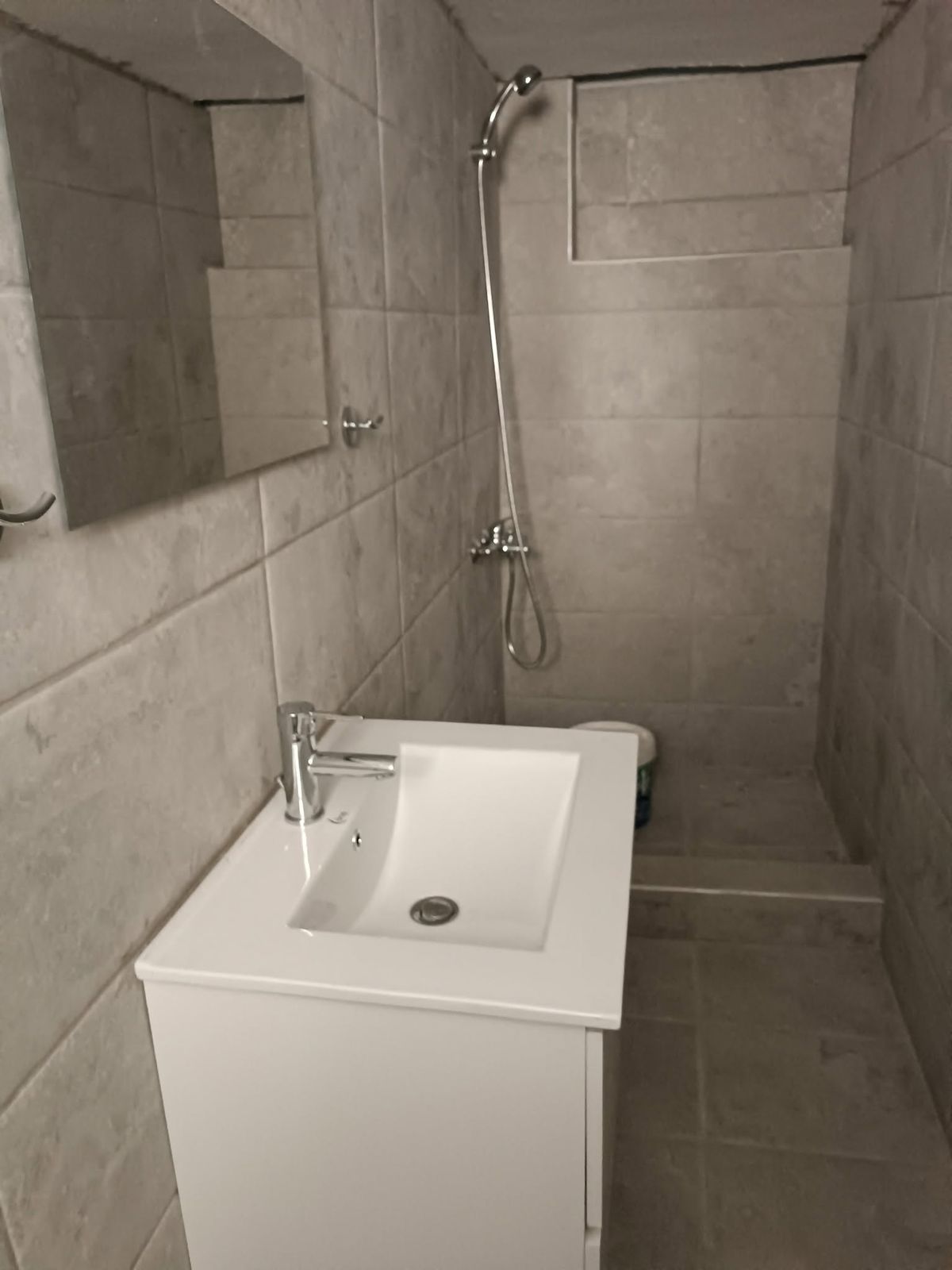
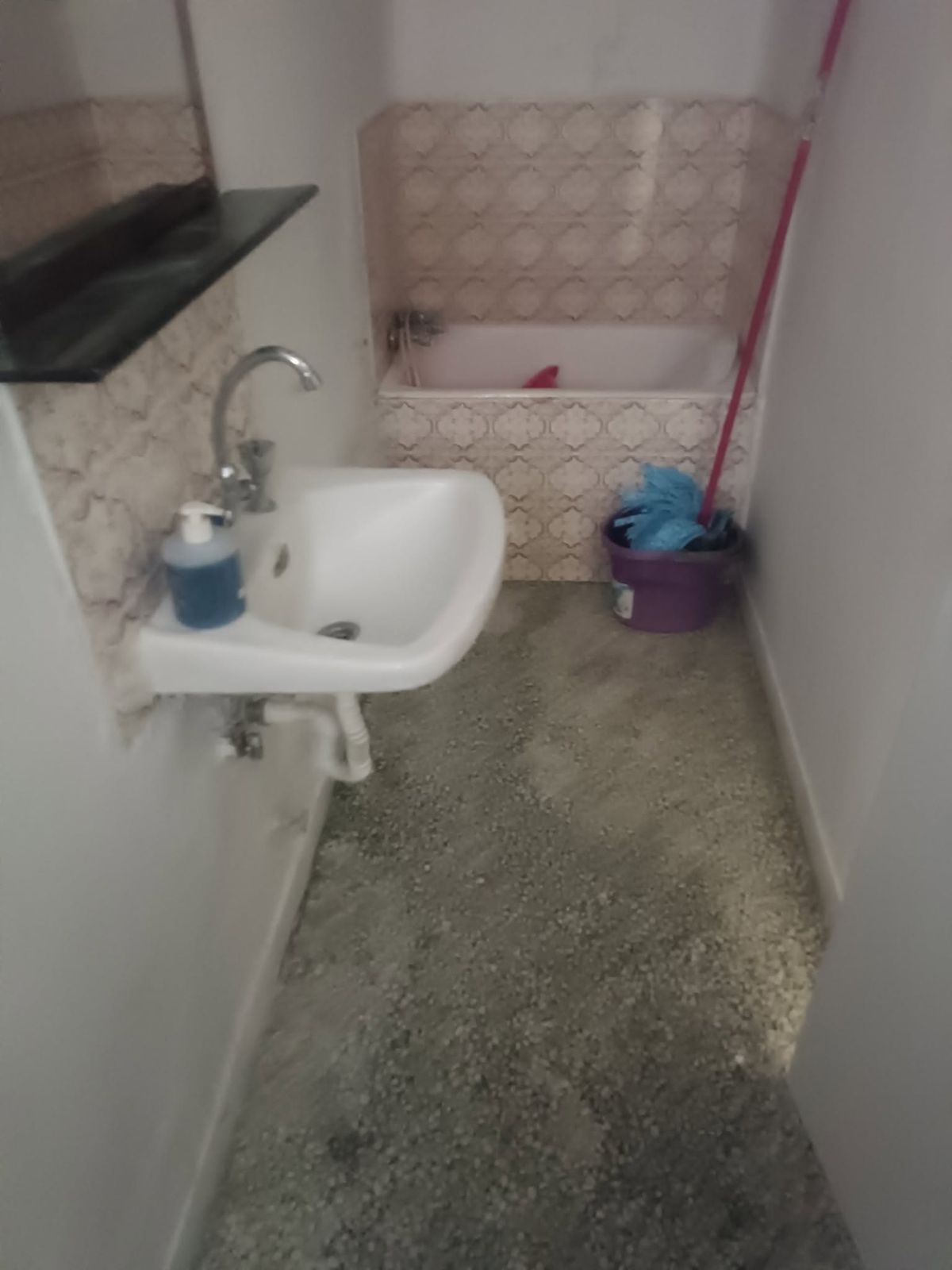
A Small Bathroom Renovation
A narrow bathroom with a tub became a shower room, with new pipework, floor-to-ceiling tiles and a new vanity unit.
See the job step by step