Primer
In other languages: Αστάρι · طبقة الأساس (البرايمر)
The thin first coat that goes on before the main material. It binds dust, seals the pores and helps paint or waterproofing stick firmly.
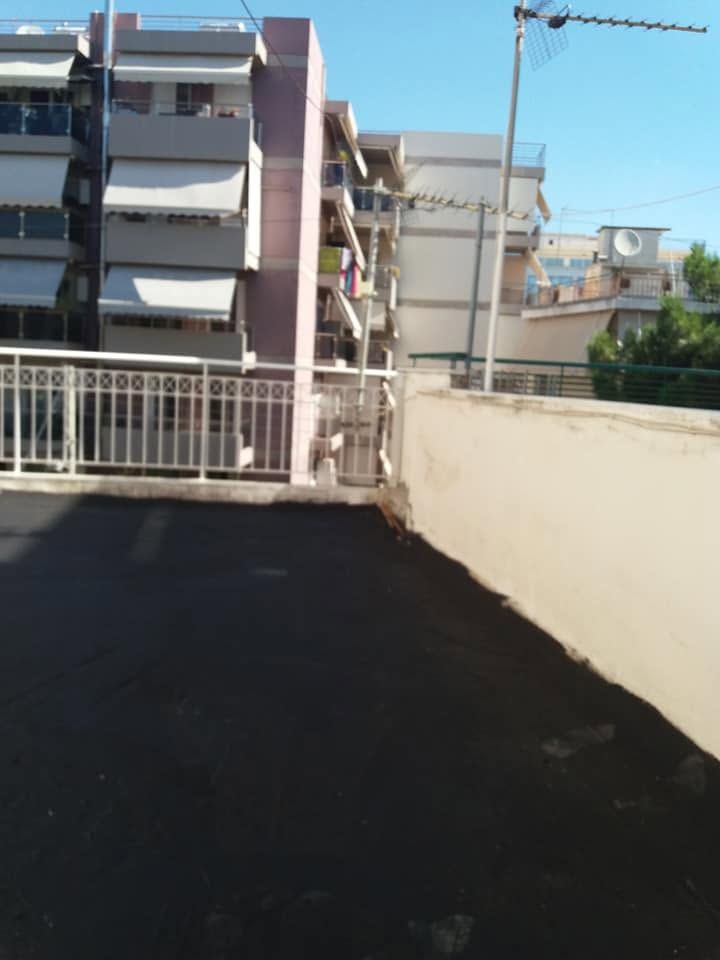
Primer is a thin material applied first, on a clean surface. It soaks into the pores of concrete, render or wood, binds any remaining dust and evens out how absorbent the surface is. That way the next material bonds firmly and dries the same everywhere.
Each material needs its own primer. On flat roofs a bitumen or polyurethane primer often goes down before foam or a membrane, on walls an acrylic primer goes on before paint, and on wood a primer made for wood. The right choice depends on the surface and on what goes on top.
Because primer is invisible at the end, it is the step most easily skipped. Without it, though, paint comes out patchy and waterproofing can come loose early. It also has to dry for as long as the manufacturer specifies before the next coat goes on.
Where you'll see it
- Quick answersPolyurethane foam or a liquid membrane: what's the difference?
- Quick answersCan a balcony be waterproofed without breaking up the tiles?
- Quick answersWater pools on my roof after rain. Is that a problem?
- Quick answersDoes my roof need a new screed before it is insulated?
- Quick answersWhy is the paint peeling off my walls?
- Quick answersAfter a fire, is a coat of paint enough to get rid of the black?
- Quick answersI have a damp stain on my ceiling. Is painting over it enough?
- Quick answersThe plumber and electrician opened up the walls. How are they closed so nothing shows?
- Quick answersMy wooden shutters are faded and peeling. Can they be saved or do they need replacing?
- Quick answersCan I paint my shutters over the old paint without sanding?
- Quick answersShould I paint or varnish my wooden shutters and door?
- Spray Polyurethane Foam: Flat Roofs, Metal Roofs and Pilotis CeilingsPreparing the Surface
- Spray Polyurethane Foam: Flat Roofs, Metal Roofs and Pilotis CeilingsProtecting the Foam, and What to Ask
- Cracks, Loose Plaster and Rusty Steel: A Guide to Small RepairsCracks and Loose Plaster
- Cracks, Loose Plaster and Rusty Steel: A Guide to Small RepairsDamp Patches: the Cause Comes First
- Cracks, Loose Plaster and Rusty Steel: A Guide to Small RepairsAfter the Plumber or Electrician
- Wooden Shutters, Doors and Pergolas: A Restoration GuidePaint or Varnish?
- Wooden Shutters, Doors and Pergolas: A Restoration GuideRestoration Step by Step
- Damp and Fire-Damaged Rooms: The Work Before the PaintPlaster, Filler and Primer
- Damp and Fire-Damaged Rooms: The Work Before the PaintAfter a Fire
- Damp and Fire-Damaged Rooms: The Work Before the PaintBefore the Work Starts
- Interior Renovation: From Filling to FinishWhy Prep Matters Most
- Interior Renovation: From Filling to FinishMistakes to Avoid
- Facade Renovation & Painting: The Homeowner's GuidePreparation Is Everything
- Roof Waterproofing & Insulation: The Complete GuideInsulation, Cost & Maintenance
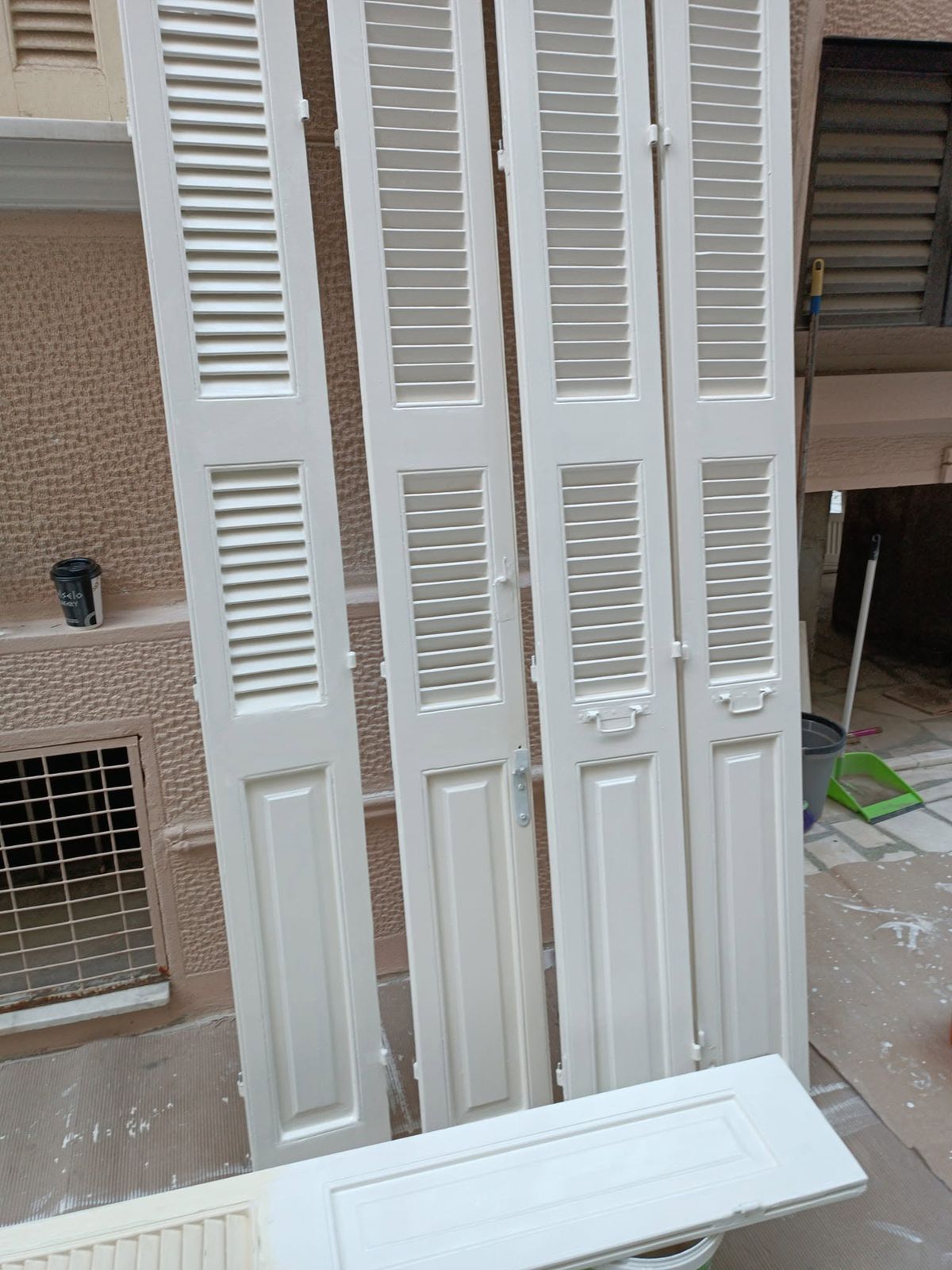 Restoring Wooden Shutters
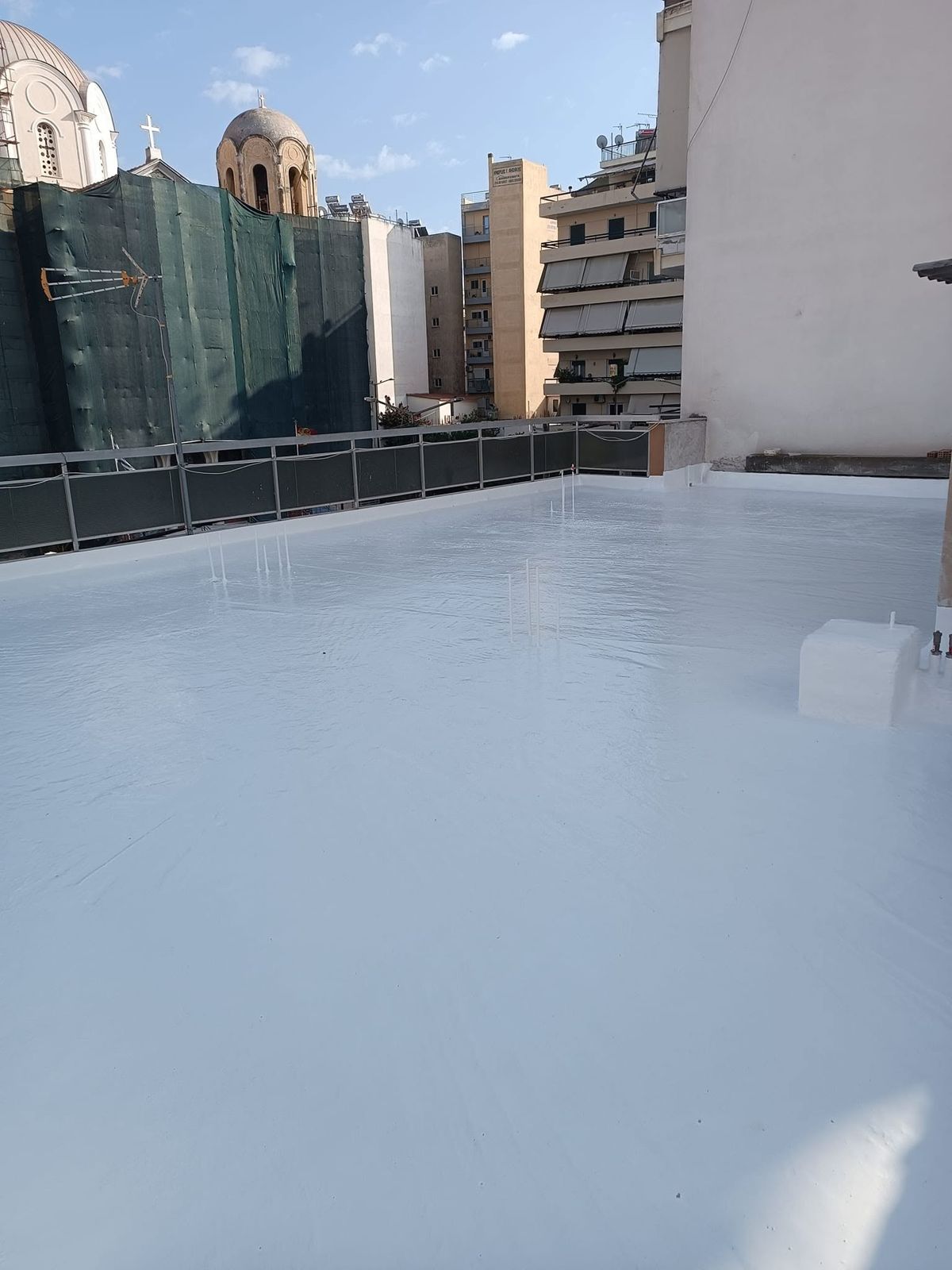 Apartment Terrace Waterproofed with a White Membrane
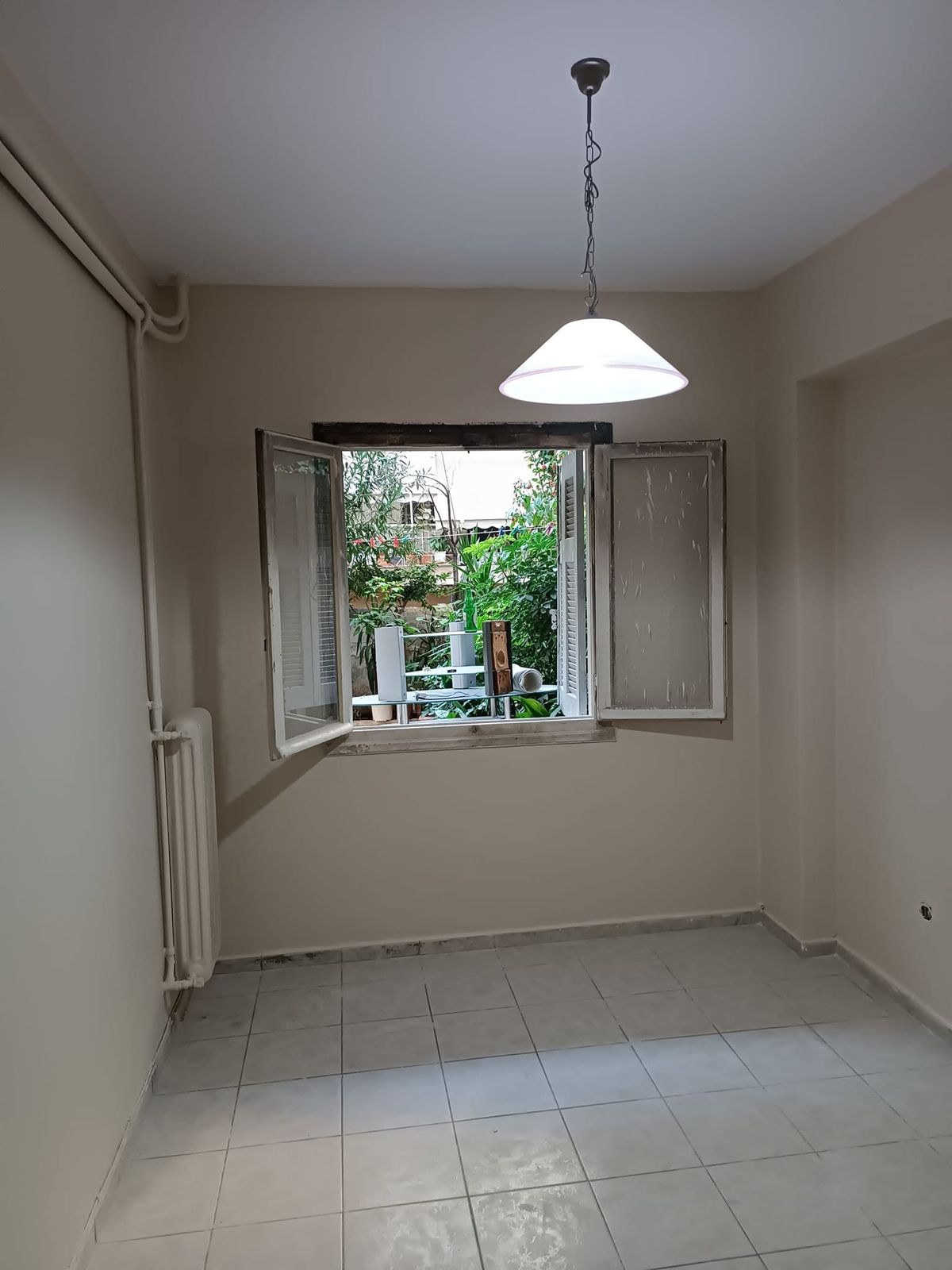 Restoring a Room After a Fire
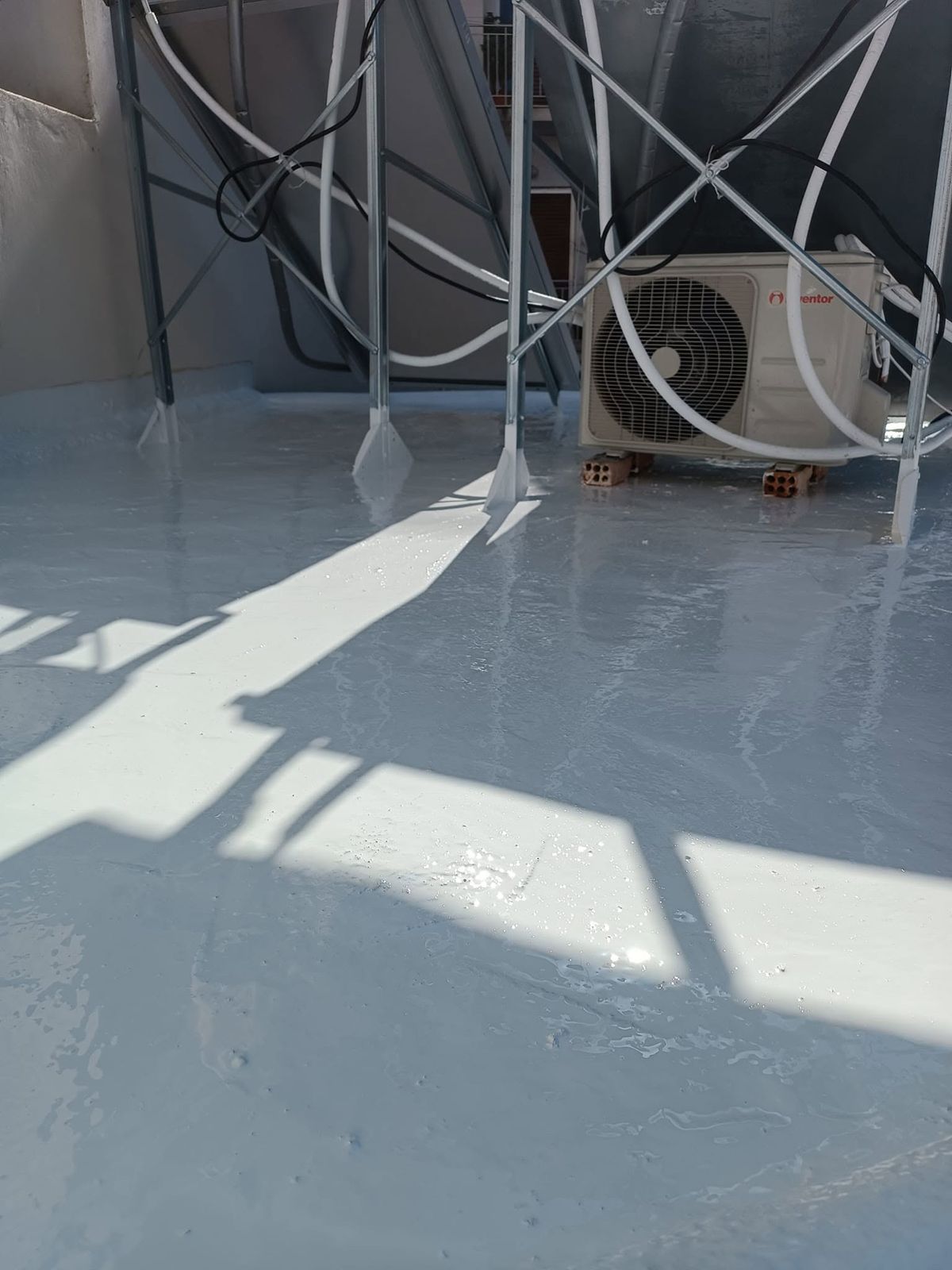 Waterproofing a Roof Under Solar Water Heaters
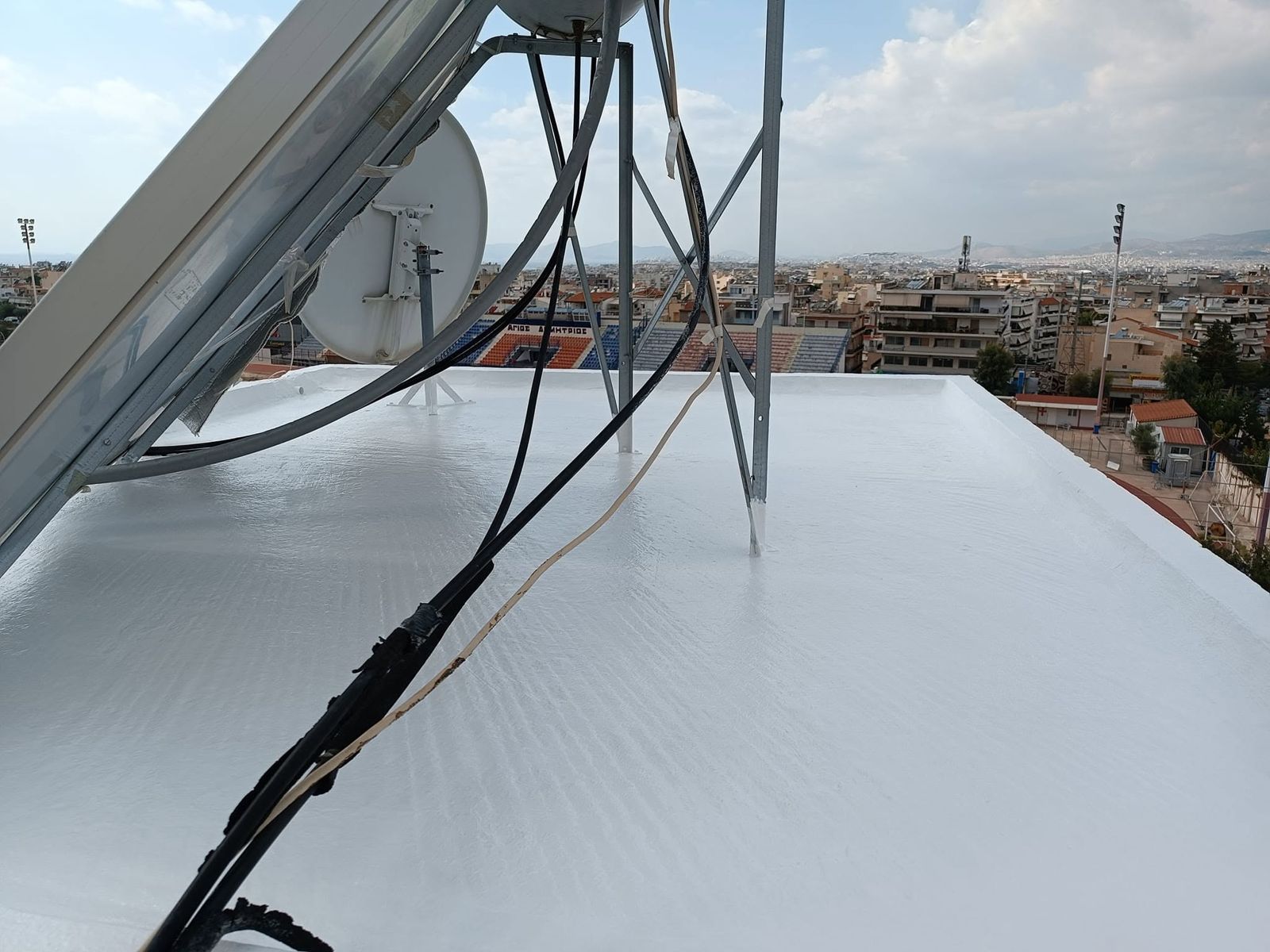 White Waterproofing Membrane on a Roof with a Solar Heater
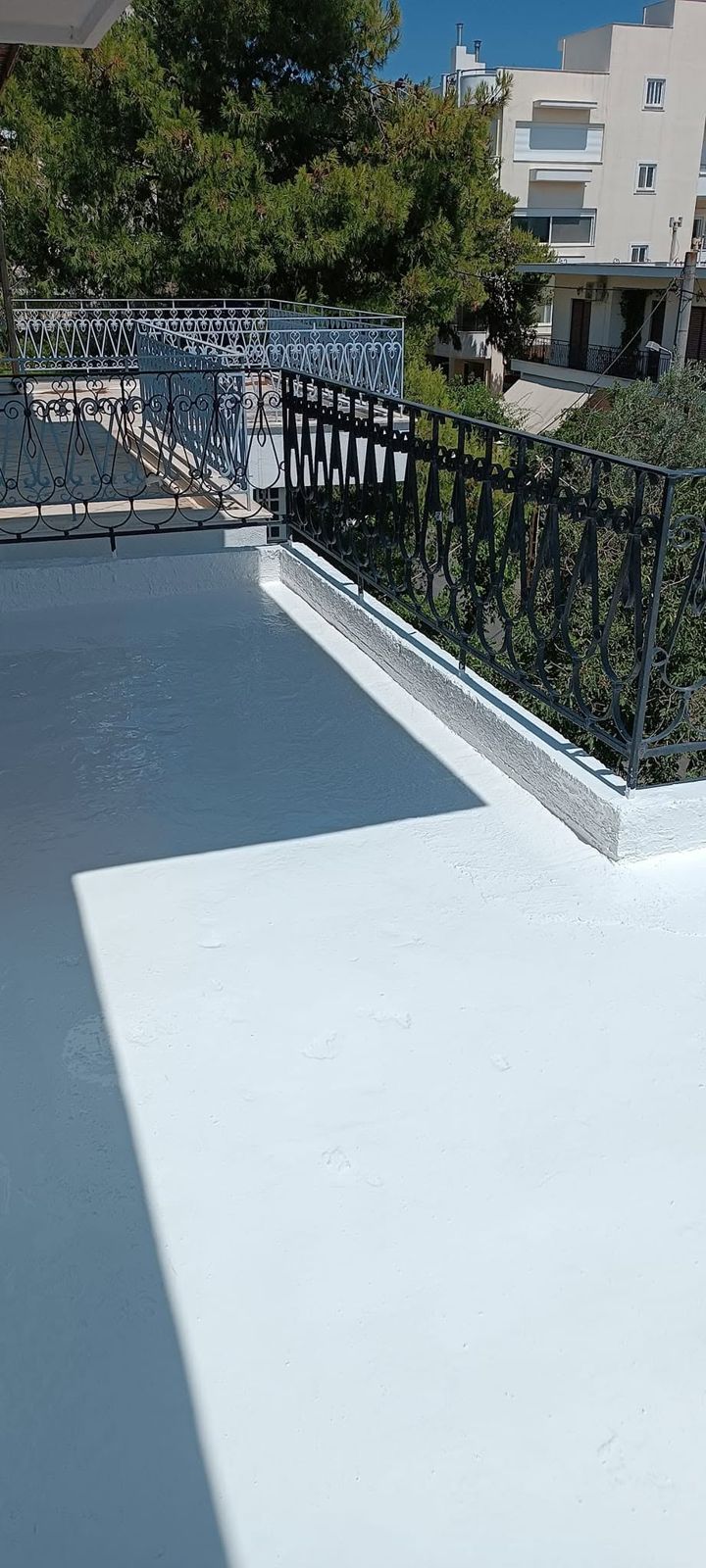 Terrace with Iron Railings Waterproofed in White
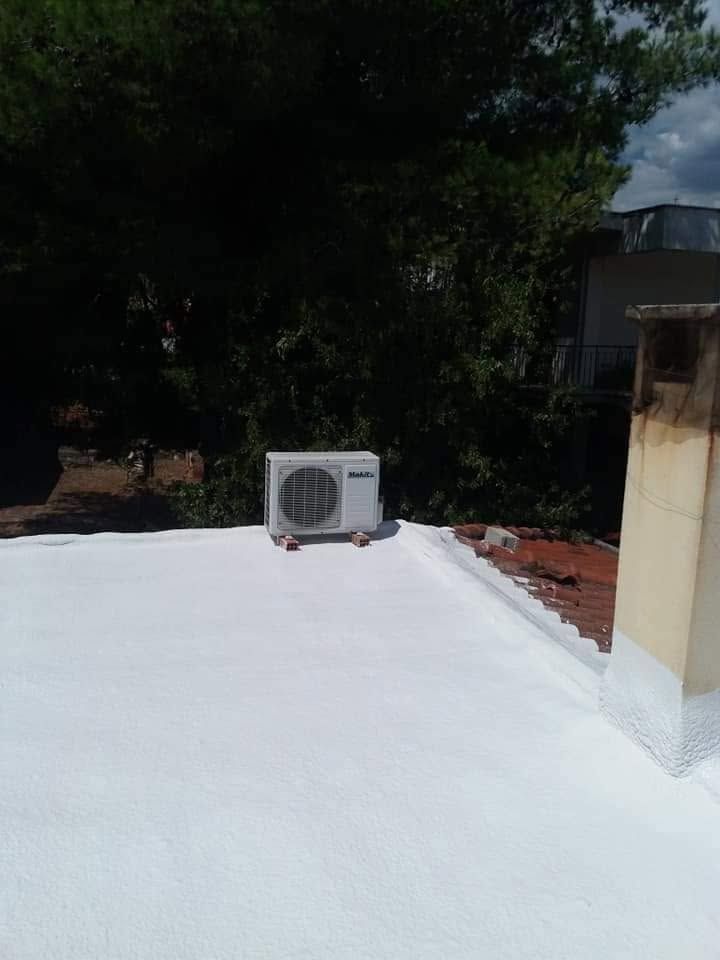 Roof with Torn Membranes: Stripped, Foam-Insulated and Waterproofed Again
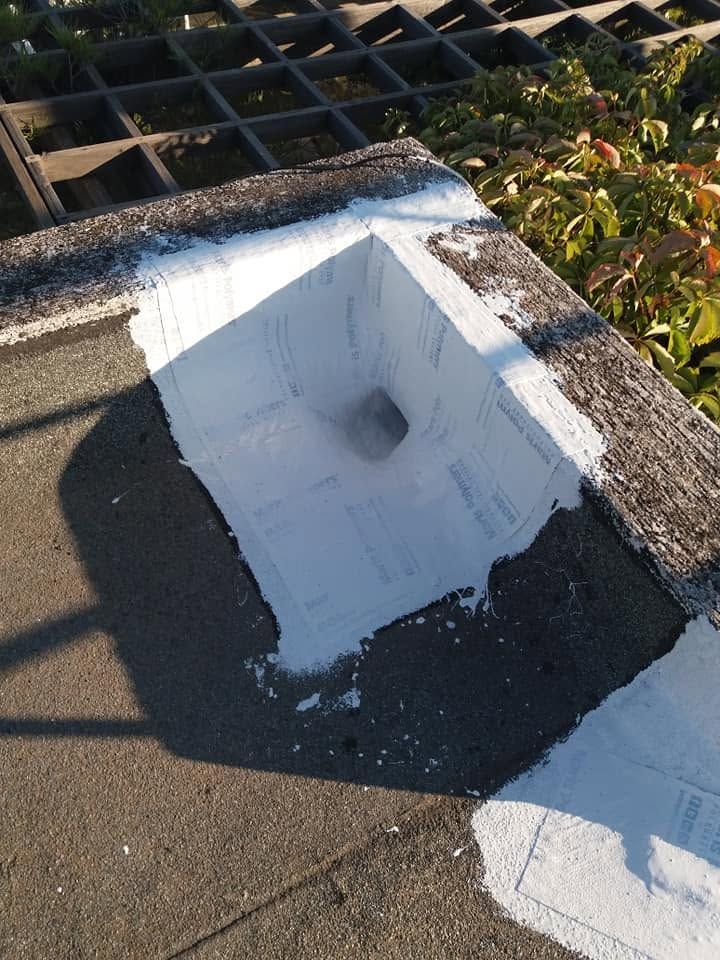 Sealing Pipes, Posts and Parapets on a Roof
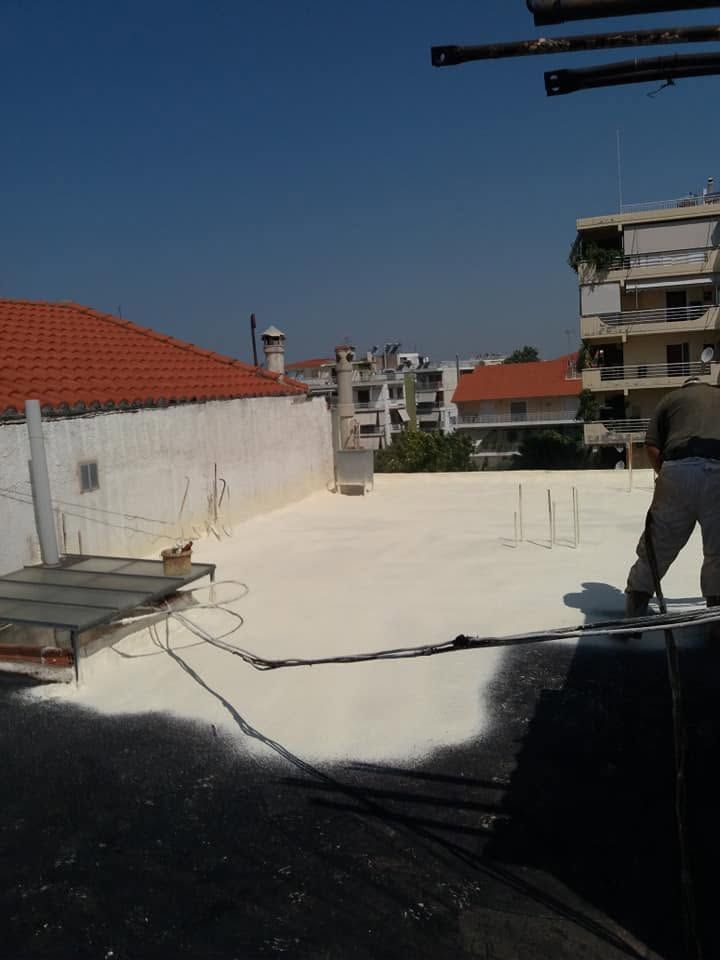 New Screed and Spray Foam Insulation on a Roof
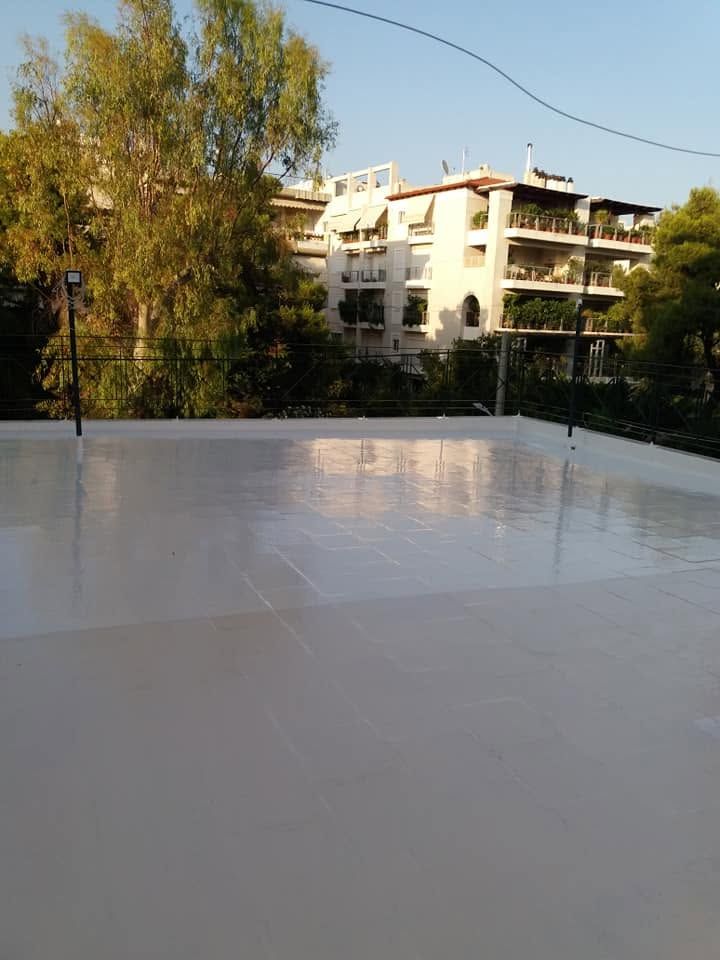 Slab-Paved Terrace Waterproofed with a White Coating
Related terms
Liquid waterproofing membraneSpray polyurethane foamEmulsion paintTar