Crack
In other languages: Ρωγμή · الشق
A split or gap in render, concrete, a wall, a coating or wood. Fine cracks are usually only on the surface; ones that grow, keep reopening or run diagonally need attention.
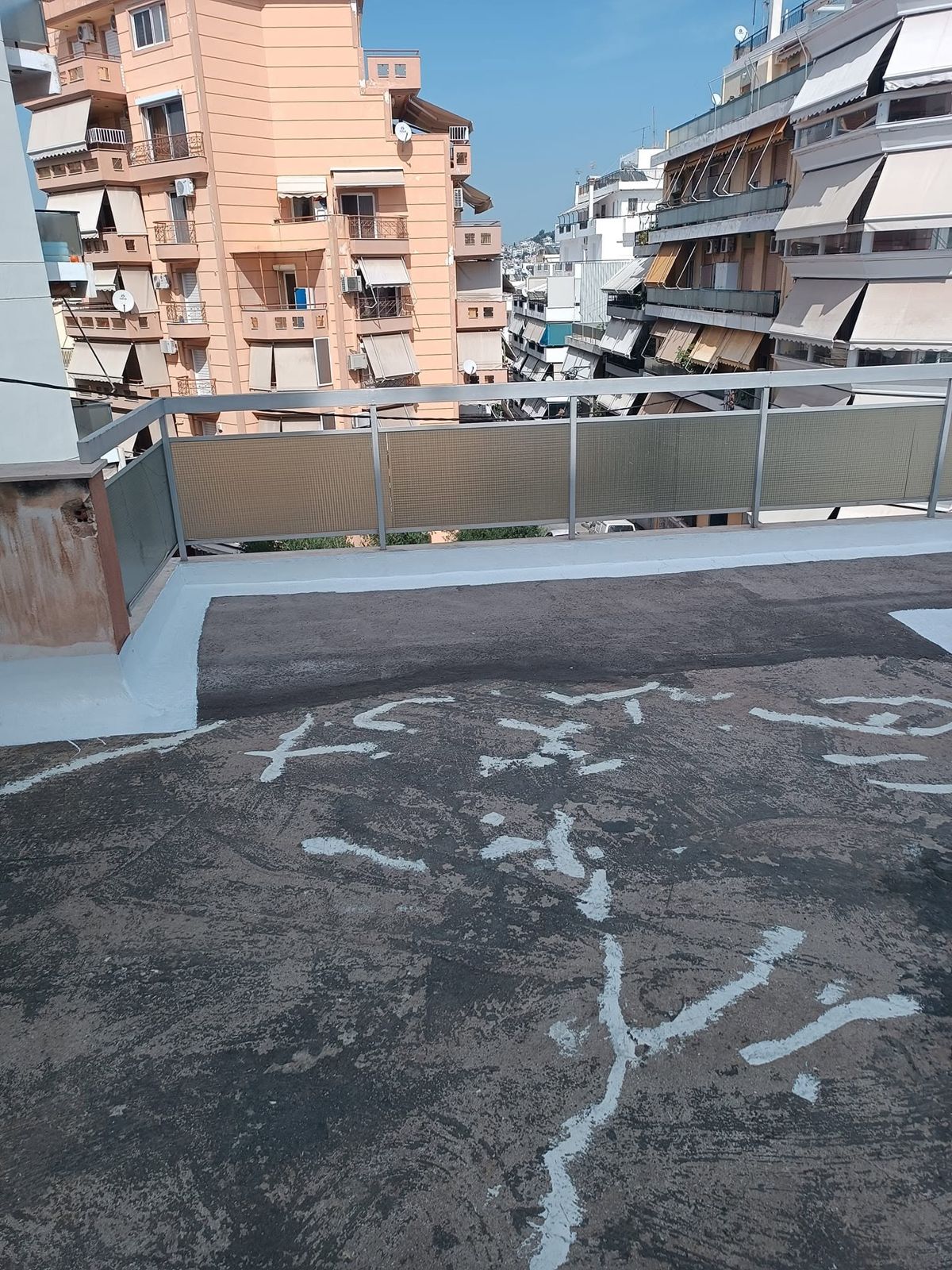
Cracks have many causes. Render and concrete shrink as they dry, materials expand in the heat and contract in the cold, and buildings move slightly over time. Cracks open most easily where different materials meet, such as between brick and a concrete column or between a new and an old wall; that is why reinforcement mesh is set into the render or coating there.
Most cracks are hairline and only on the surface. They are opened up slightly, filled with the right material (filler, repair mortar or a flexible sealant, depending on where they are) and painted. On roof terraces and balconies, though, even a small crack is a way in for water and has to be sealed before waterproofing.
Some cracks point to something deeper. Straight-line cracks in a ceiling or column, with rust showing, can mean rebar corrosion. Diagonal cracks running from the corners of doors and windows, or cracks that keep growing, may have a structural cause. Then the crack is not just filled; an engineer needs to look at it.
Where you'll see it
- Quick answersCan I knock down a wall to join two rooms?
- Quick answersPolyurethane foam or a liquid membrane: what's the difference?
- Quick answersCan an old bitumen membrane be patched, or does it have to come off?
- Quick answersCan a balcony be waterproofed without breaking up the tiles?
- Quick answersWater pools on my roof after rain. Is that a problem?
- Quick answersAfter a fire, is a coat of paint enough to get rid of the black?
- Quick answersThe joints in my stone courtyard have gone dark. Does it need relaying?
- Quick answersAfter rain, water sits on my balcony, mostly by the door. What's wrong?
- Quick answersWeeds and moss grow between my paving slabs. Is pulling them out enough?
- Quick answersFor a yard or sidewalk, which is better: concrete or slabs?
- Quick answersDoes an old bathroom always need a full renovation?
- Quick answersCan new tiles go on top of the old ones?
- Quick answersDoes a shower need waterproofing under the tiles?
- Quick answersA crack has opened in my ceiling and I can see rusty steel. Is it dangerous?
- Quick answersI fill a crack in the wall and it opens again. Why?
- Quick answersThe plaster sounds hollow when I tap it. What does that mean?
- Quick answersThe plumber and electrician opened up the walls. How are they closed so nothing shows?
- Quick answersMy wooden shutters are faded and peeling. Can they be saved or do they need replacing?
- Quick answersHow can I tell my wooden pergola needs varnishing again?
- Quick answersCan I paint my shutters over the old paint without sanding?
- Quick answersShould I paint or varnish my wooden shutters and door?
- Quick answersMy wood has gone grey and cracked. Does that mean it's rotten?
- Spray Polyurethane Foam: Flat Roofs, Metal Roofs and Pilotis CeilingsProtecting the Foam, and What to Ask
- Cracks, Loose Plaster and Rusty Steel: A Guide to Small RepairsReading the Damage
- Cracks, Loose Plaster and Rusty Steel: A Guide to Small RepairsCracks and Loose Plaster
- Cracks, Loose Plaster and Rusty Steel: A Guide to Small RepairsWhen Rusty Steel Shows Through
- Cracks, Loose Plaster and Rusty Steel: A Guide to Small RepairsAfter the Plumber or Electrician
- Wooden Shutters, Doors and Pergolas: A Restoration GuideWhy Outdoor Wood Wears Out
- Wooden Shutters, Doors and Pergolas: A Restoration GuidePaint or Varnish?
- Wooden Shutters, Doors and Pergolas: A Restoration GuideRestoration Step by Step
- Courtyards, Sidewalks and Balconies: A Guide to Outdoor FloorsWhat Goes Wrong with Outdoor Floors
- Courtyards, Sidewalks and Balconies: A Guide to Outdoor FloorsStone Paving: New Joints or Relaying?
- Courtyards, Sidewalks and Balconies: A Guide to Outdoor FloorsConcrete Sidewalks and Walkways
- Courtyards, Sidewalks and Balconies: A Guide to Outdoor FloorsBalconies, Verandas and Falls
- Demolition and Strip-Out: What to Know Before the First BlowStripping Tiles and Render
- Damp and Fire-Damaged Rooms: The Work Before the PaintReading the Damage
- Damp and Fire-Damaged Rooms: The Work Before the PaintAfter a Fire
- Interior Renovation: From Filling to FinishWhy Prep Matters Most
- Facade Renovation & Painting: The Homeowner's GuideWhy Facades Deteriorate
- Facade Renovation & Painting: The Homeowner's GuidePreparation Is Everything
- Facade Renovation & Painting: The Homeowner's GuideChoosing the Right Paint
- Facade Renovation & Painting: The Homeowner's GuideScaffolding, Permits & Longevity
- Roof Waterproofing & Insulation: The Complete GuideWhy Flat Roofs Fail
- Roof Waterproofing & Insulation: The Complete GuideInsulation, Cost & Maintenance
- Rising Damp: The Complete GuideWhat Rising Damp Actually Is
- Rising Damp: The Complete GuidePrevention & Long-Term Care
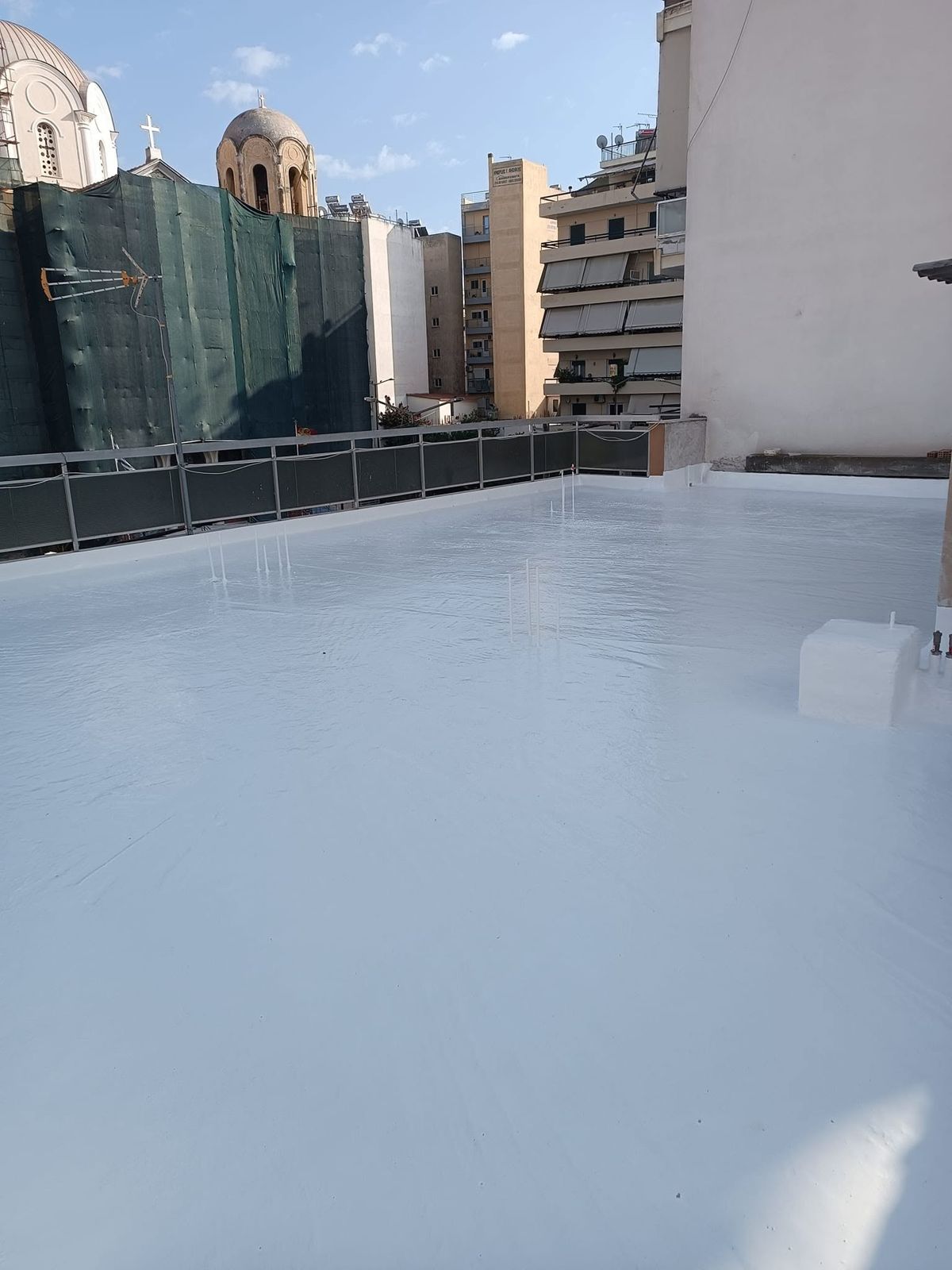 Apartment Terrace Waterproofed with a White Membrane
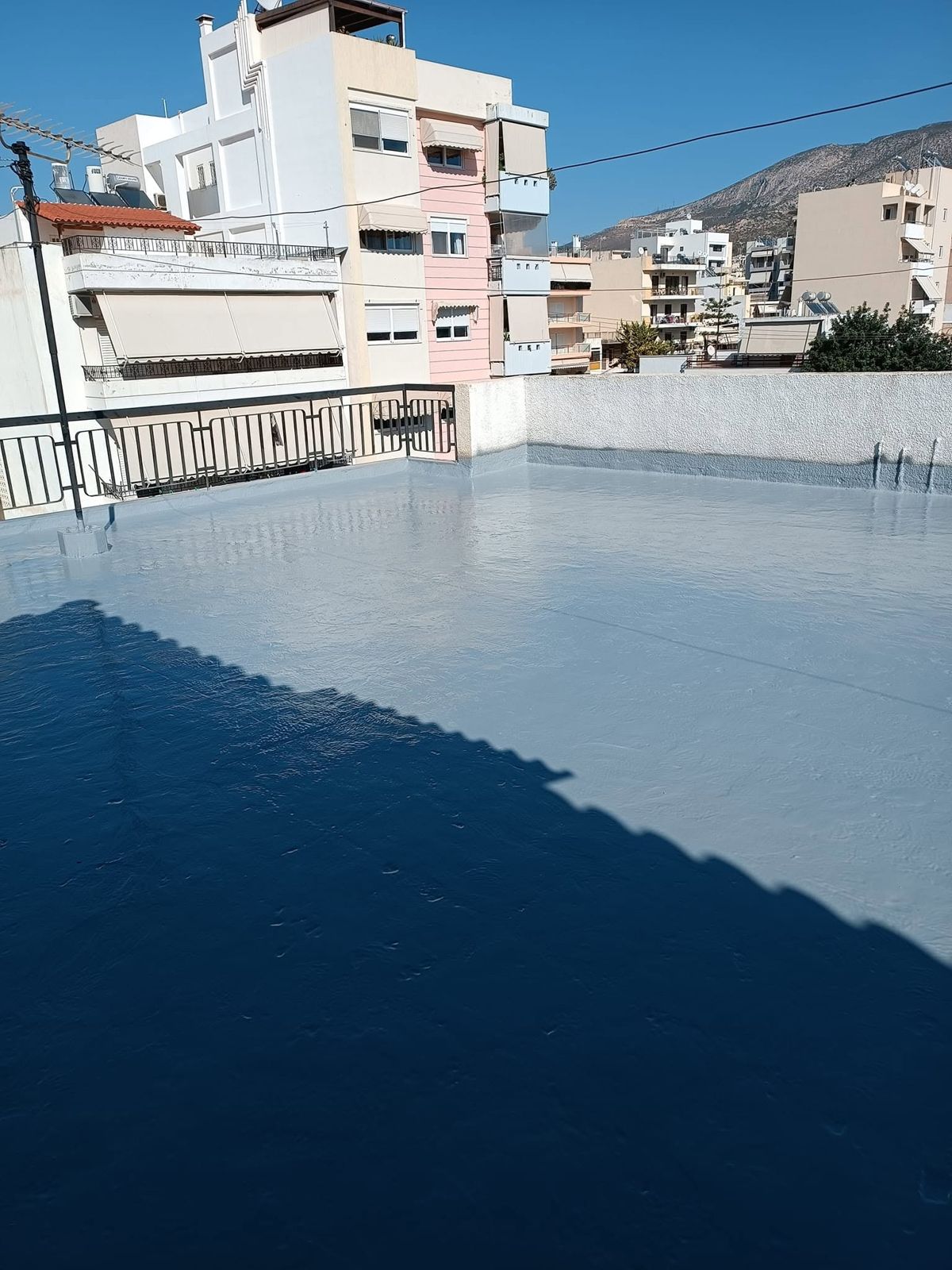 Worn Tiled Terrace Waterproofed by Spraying
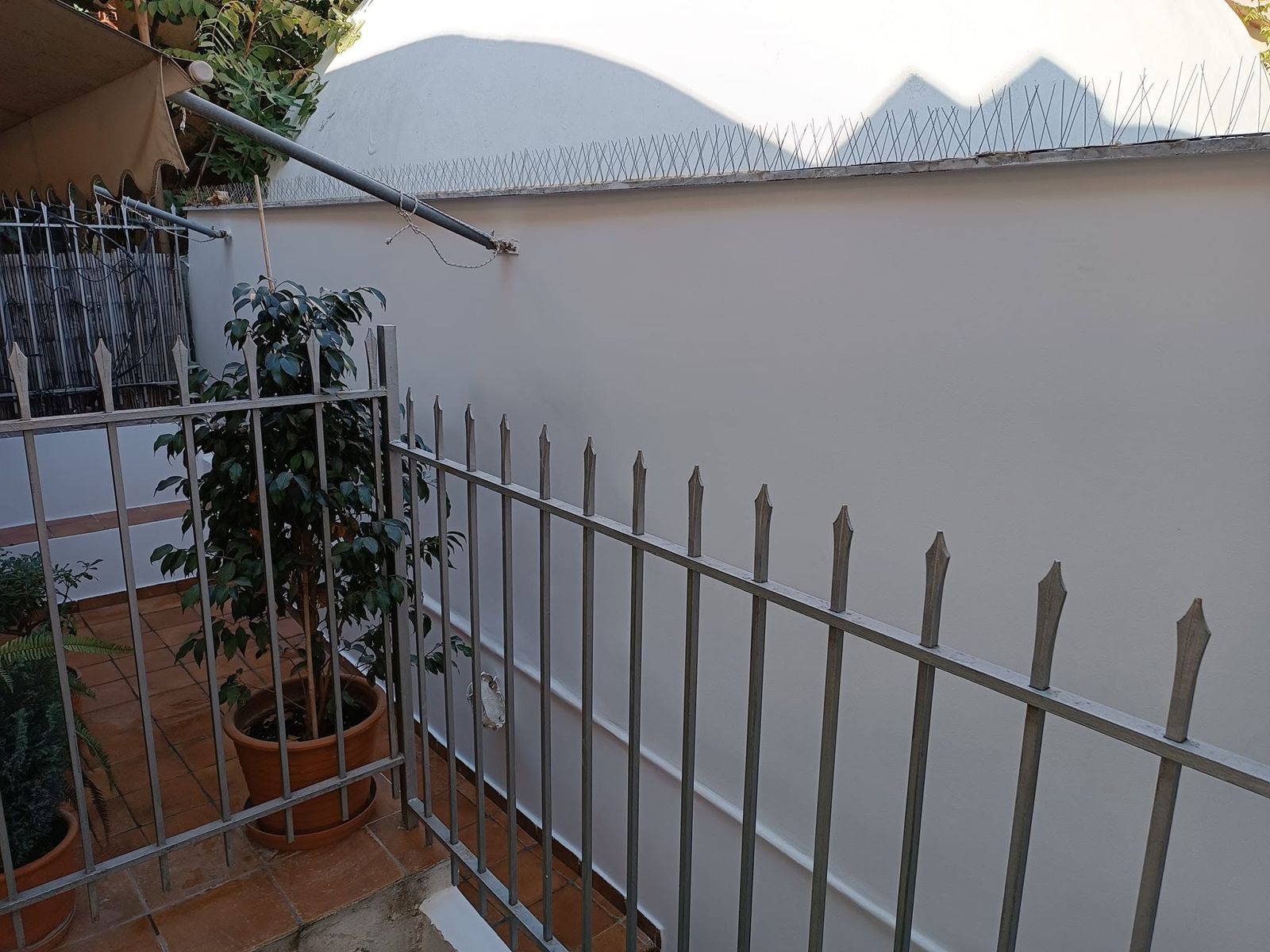 Courtyard Wall: Plaster Repairs and Fresh Paint
 Old Bitumen Membrane Stripped and Replaced with a White Coating
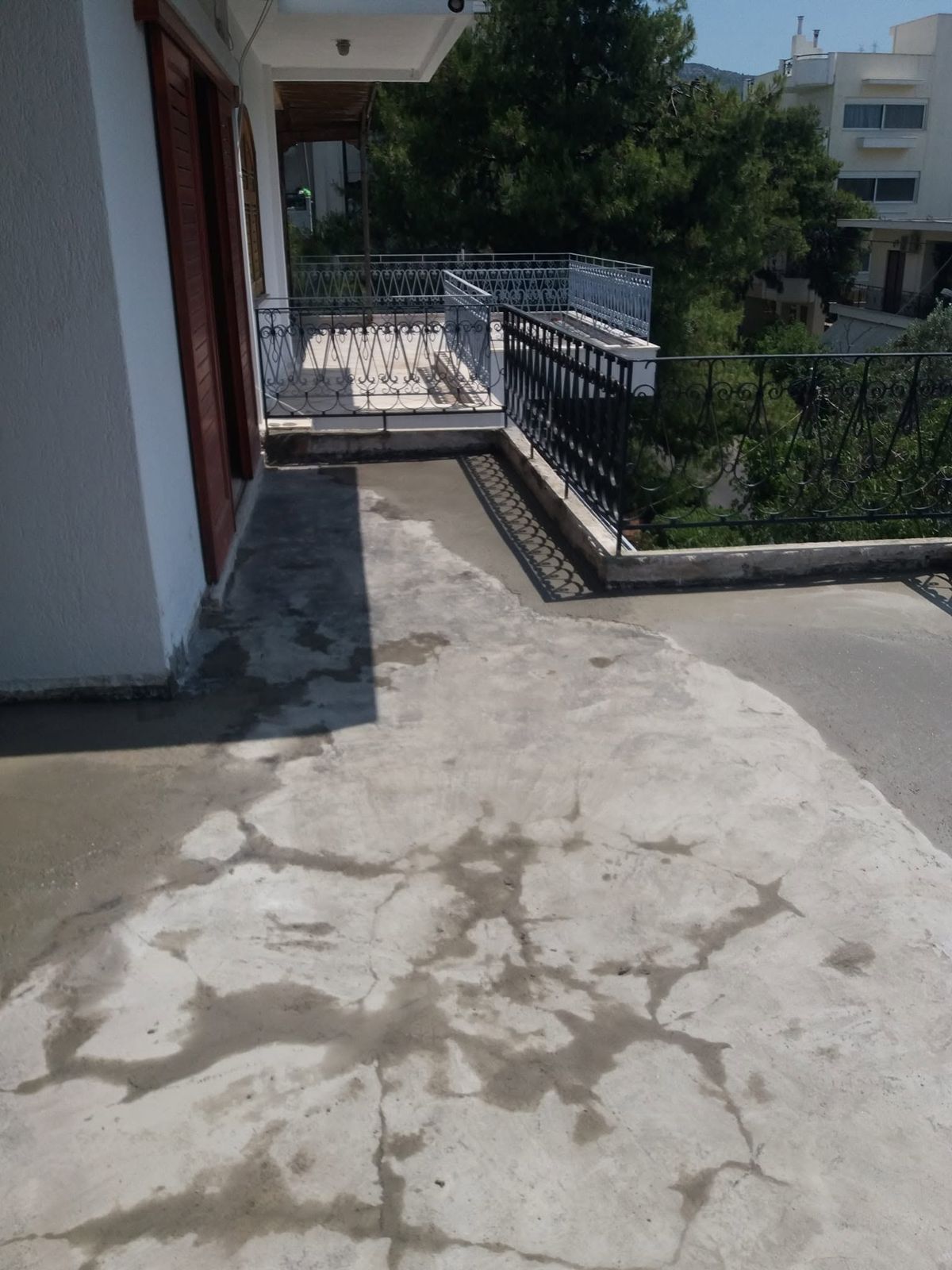 Terrace Stripped of Old Tiles and Given a New Cement-Based Layer
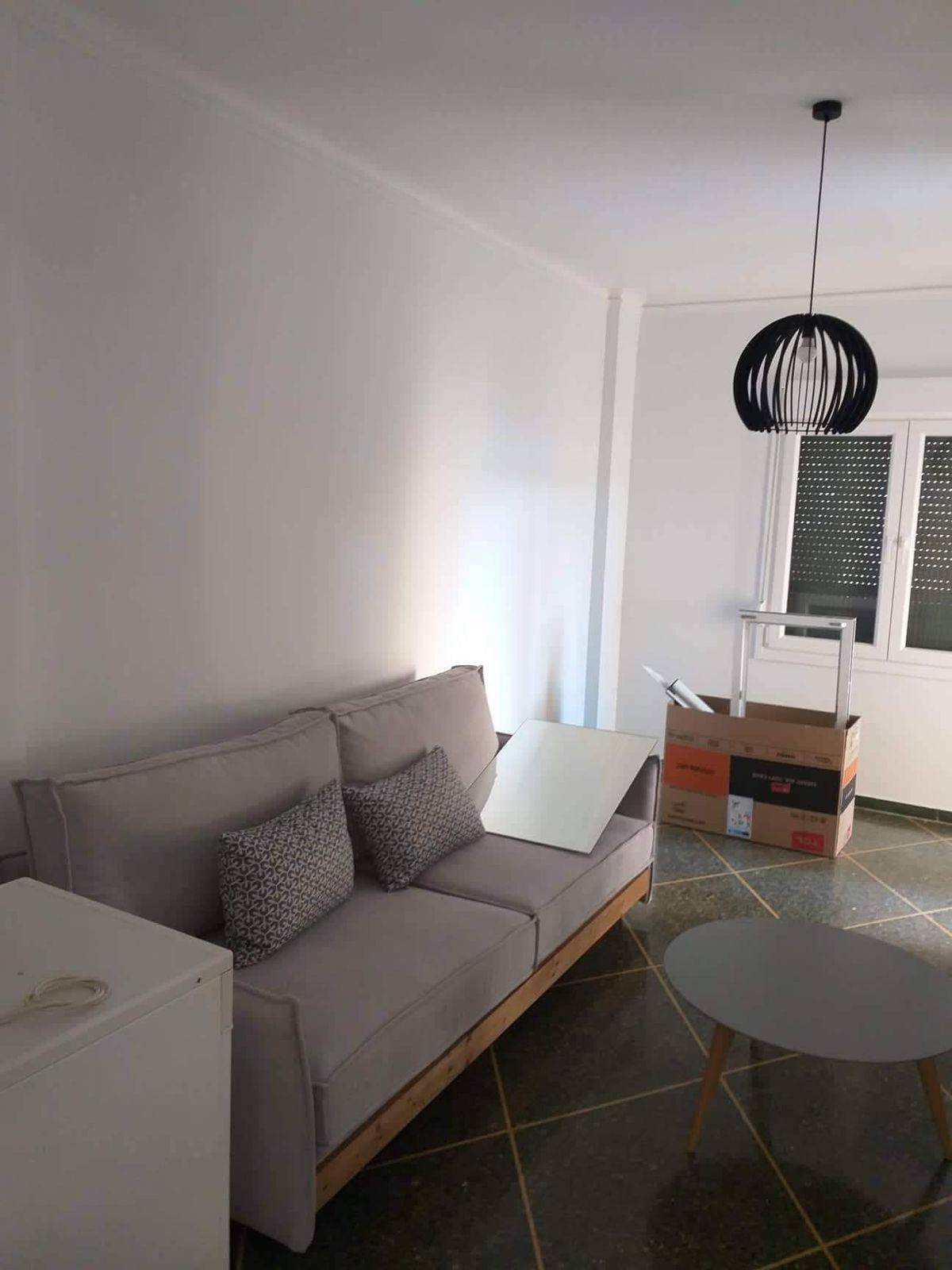 Closing Up a Wall Opening in a Living Room
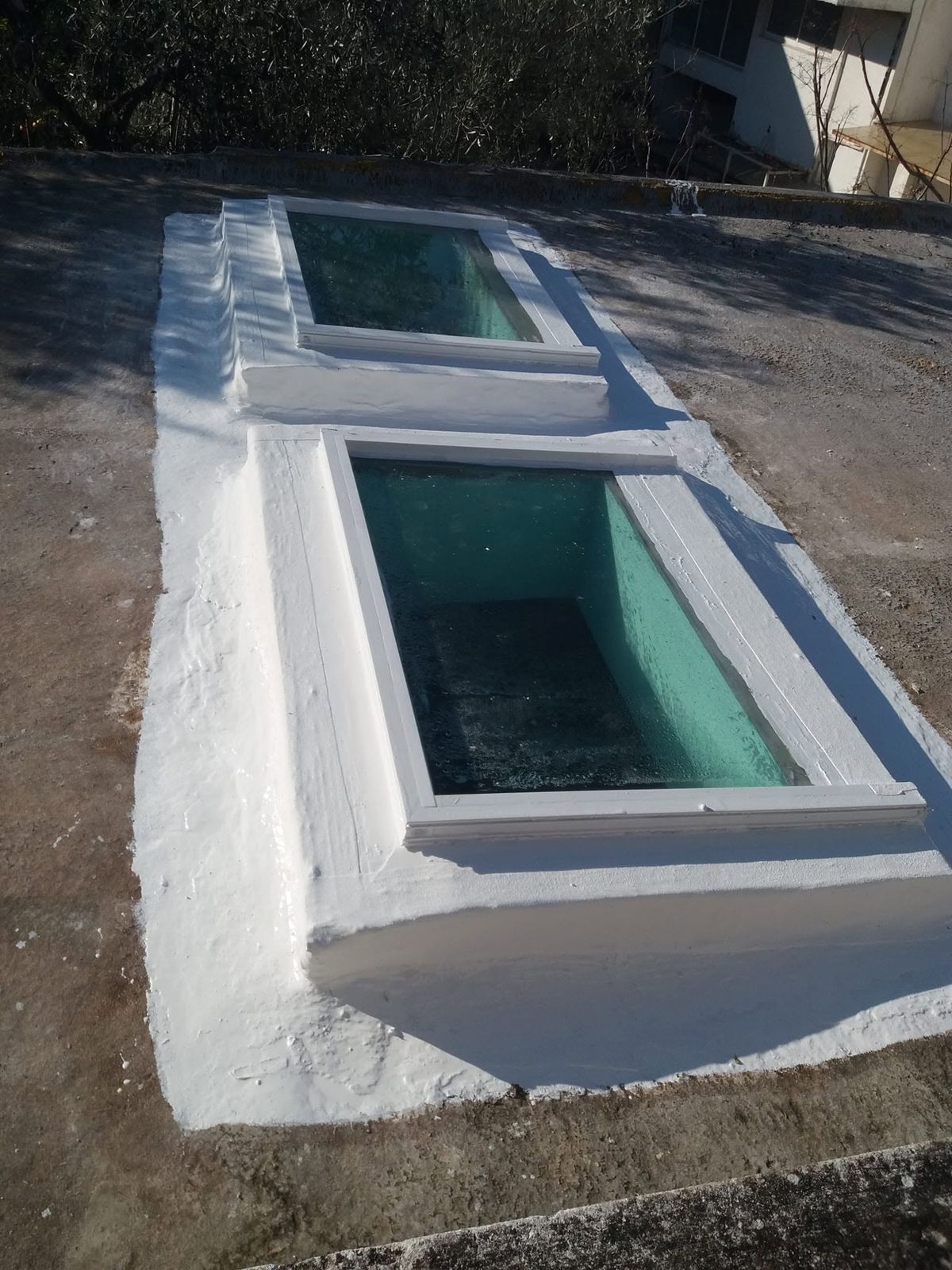 Sealing the Skylights on a Flat Roof
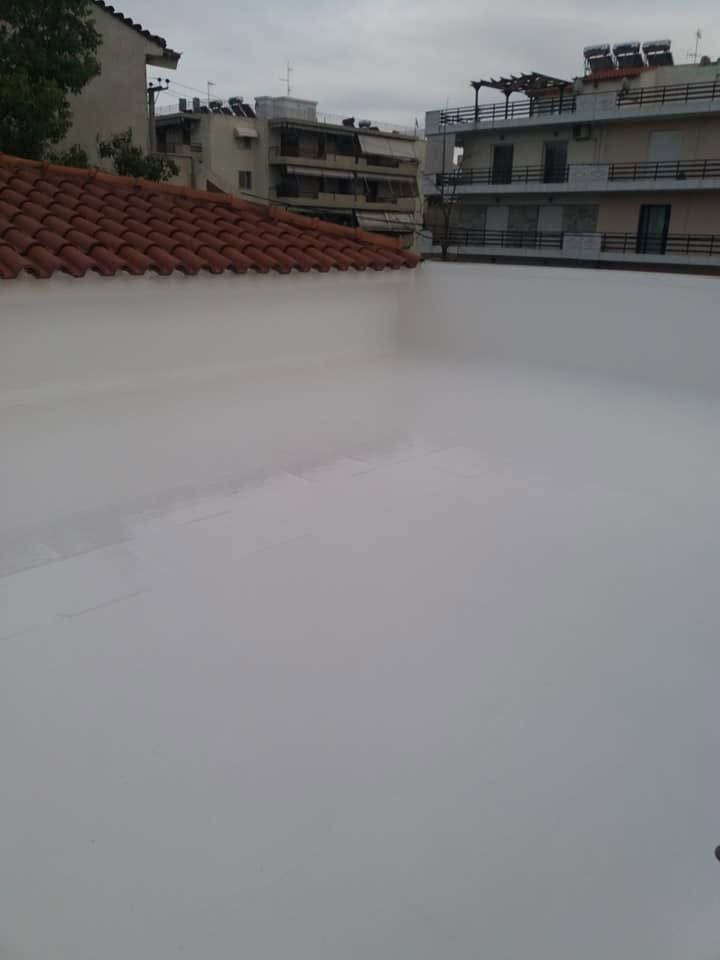 Terrace Beside a Tiled Roof: Old Membrane Out, White Coating In
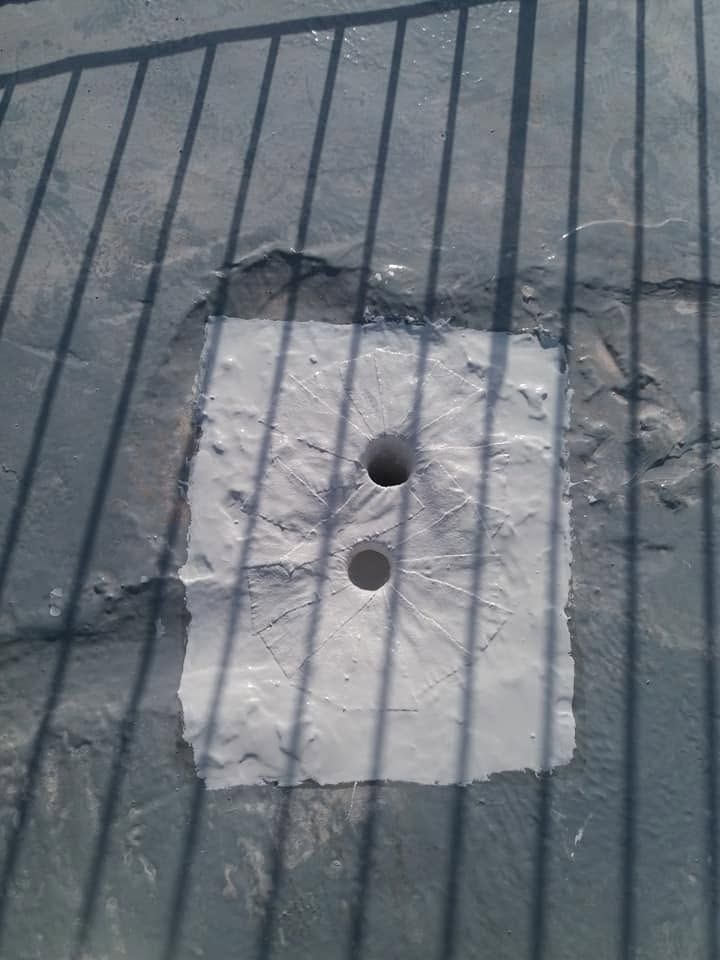 Waterproofing Around Two Balcony Drain Outlets
 Weathered Wooden Shutters Refinished