Hollow (blistered) plaster
In other languages: Κούφιος (φουσκωμένος) σοβάς · الجص الأجوف (المنتفخ)
Plaster that has come away from the wall or ceiling behind it. It sounds dull when you tap it lightly, and often blisters or cracks before it falls.
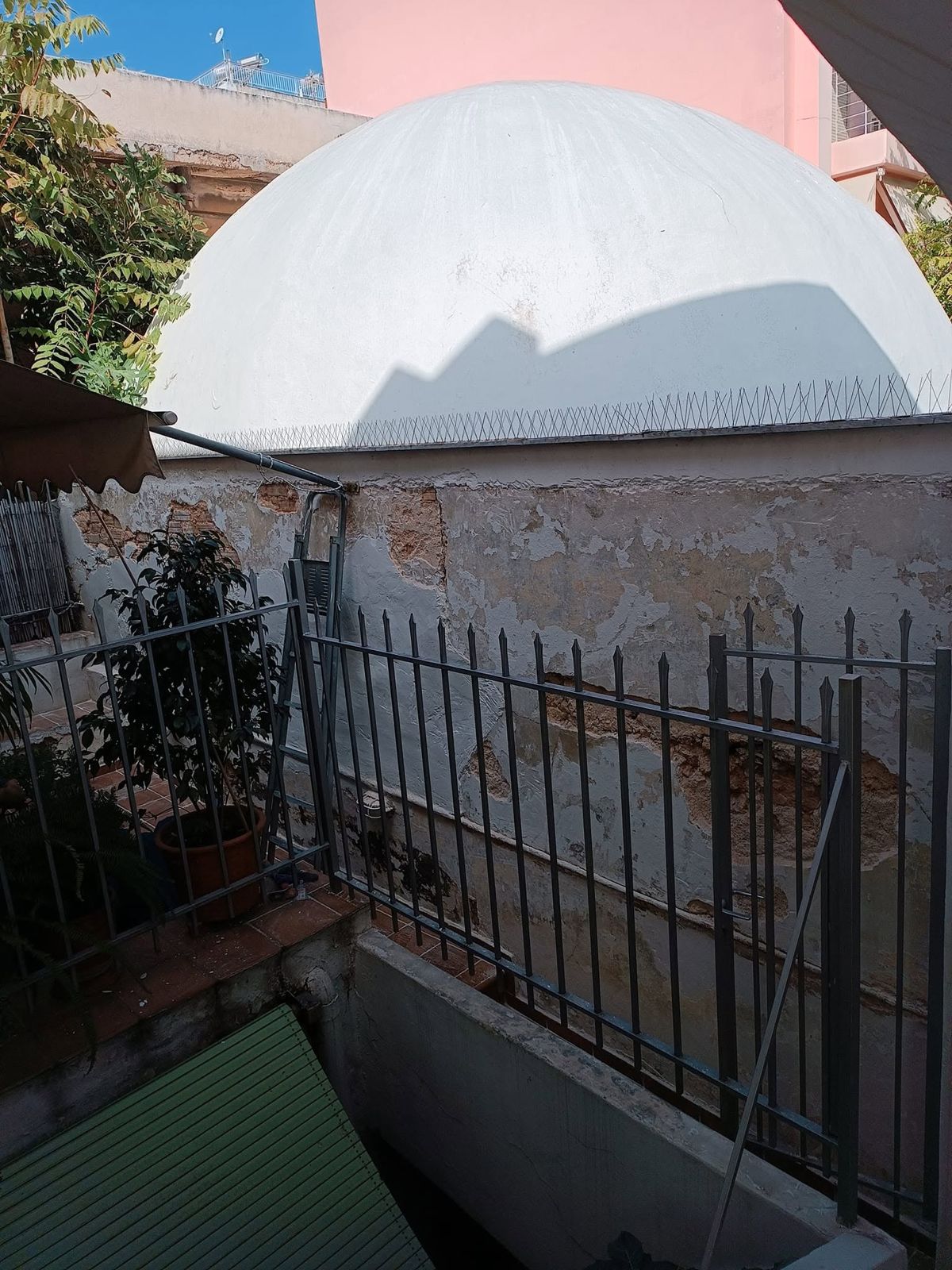
Plaster stays up because it is bonded to the brick or concrete. When that bond is lost, a gap forms between them. The plaster may stay in place for a long time, but it sounds hollow when you tap it, it blisters, cracks and, at some point, falls.
The most common cause is damp, from a leak, from rising damp or from water getting in from outside. Other causes are age, vibration and, on ceilings and balconies, rebar corrosion pushing the material outwards.
Hollow plaster isn't filled over. It is removed until a sound base is reached, the gap is filled with new plaster, often with mesh where new meets old, and then come filler and paint. On a ceiling, if it sounds hollow over a large area, keep the space underneath clear until someone has looked at it.
Where you'll see it
- Quick answersA crack has opened in my ceiling and I can see rusty steel. Is it dangerous?
- Quick answersI fill a crack in the wall and it opens again. Why?
- Quick answersThe plaster sounds hollow when I tap it. What does that mean?
- Cracks, Loose Plaster and Rusty Steel: A Guide to Small RepairsReading the Damage
- Cracks, Loose Plaster and Rusty Steel: A Guide to Small RepairsCracks and Loose Plaster
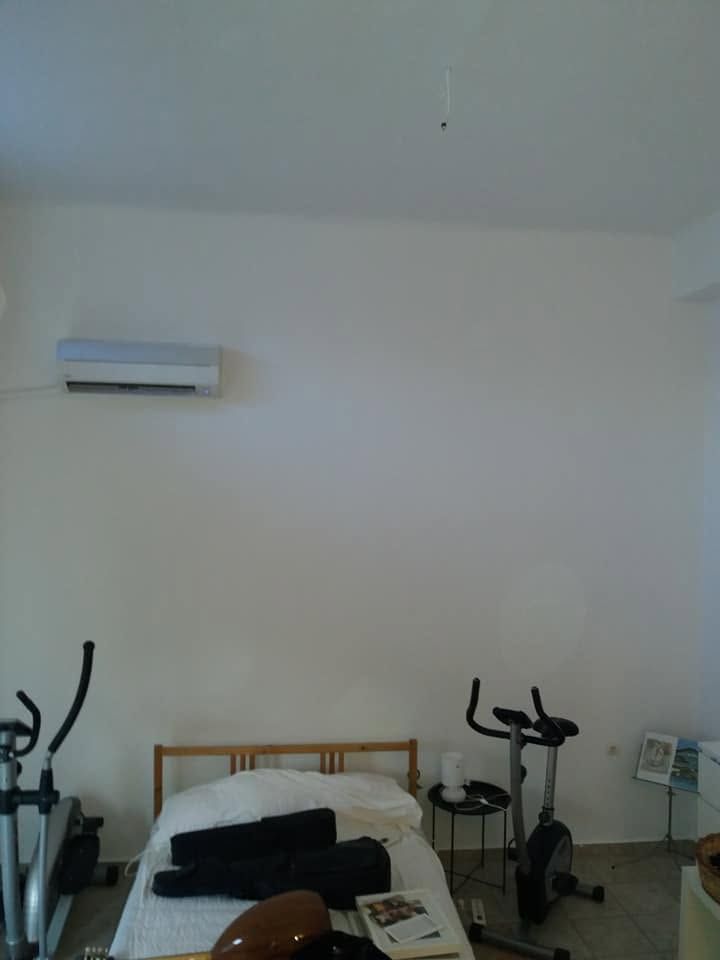 Ceiling Crack Repaired and Bedroom Repainted