AtticaPro
Knowledge Hub

Professional Painting

Interior and exterior painting with excellent technical training and attention to detail.

See the service

Quick answers

Guides

Terms

Acrylic paintA water-based paint with an acrylic resin, the most common choice for outside walls. It stands up to sun and rain and has some flexibility to follow small movements in the wall.CondensationMoisture in the air turning to water on cold surfaces such as windows, outside corners and ceilings. It is the most common cause of mould indoors.CrackA split or gap in render, concrete, a wall, a coating or wood. Fine cracks are usually only on the surface; ones that grow, keep reopening or run diagonally need attention.Efflorescence (salt deposits)A white, powdery or crystalline crust on the surface of a wall. It is salts carried by water through the masonry, left behind when the water evaporates.Elastomeric waterproof coatingA thick, rubbery waterproof paint for flat roofs, parapets and roofs. It stretches without cracking as the building expands and bridges hairline cracks.Emulsion paintThe everyday water-based paint for indoor walls and ceilings. It thins with water, dries quickly, has little smell and comes in matt, satin or glossier finishes.FillerA fine paste or powder that fills holes, fine cracks and dents so a wall, ceiling or piece of wood is smooth before it is painted.Hollow (blistered) plasterPlaster that has come away from the wall or ceiling behind it. It sounds dull when you tap it lightly, and often blisters or cracks before it falls.MouldFungi that grow on damp surfaces, leaving black or greenish spots and a musty smell. It is a symptom of damp, not a problem with the paint.Peeling paintWhen paint loses its grip and lifts off in flakes or sheets. It is almost always a sign of a problem underneath, usually damp or poor preparation.PrimerThe thin first coat that goes on before the main material. It binds dust, seals the pores and helps paint or waterproofing stick firmly.Render (plaster)A layer of mortar (sand, cement or lime, and water) spread over brick or concrete to give a wall a straight, sound surface ready for paint or tiles.Rising dampMoisture from the ground that climbs up inside walls through the pores of the materials. It shows as stains, blown render and salts at the foot of walls.SandingSmoothing a surface with sandpaper or a power sander to remove bumps, loose old paint or gloss, so the new paint or varnish grips well and comes out smooth.SootThe black, greasy dust that smoke leaves on walls and ceilings after a fire, or from a fireplace or stove. Paint straight over it without cleaning and priming and it comes back through.Thermal bridgeA spot in a building where heat and cold pass more easily than through the rest of the wall or slab, such as columns, beams and the edges of a slab.

Jobs in this category

All jobs
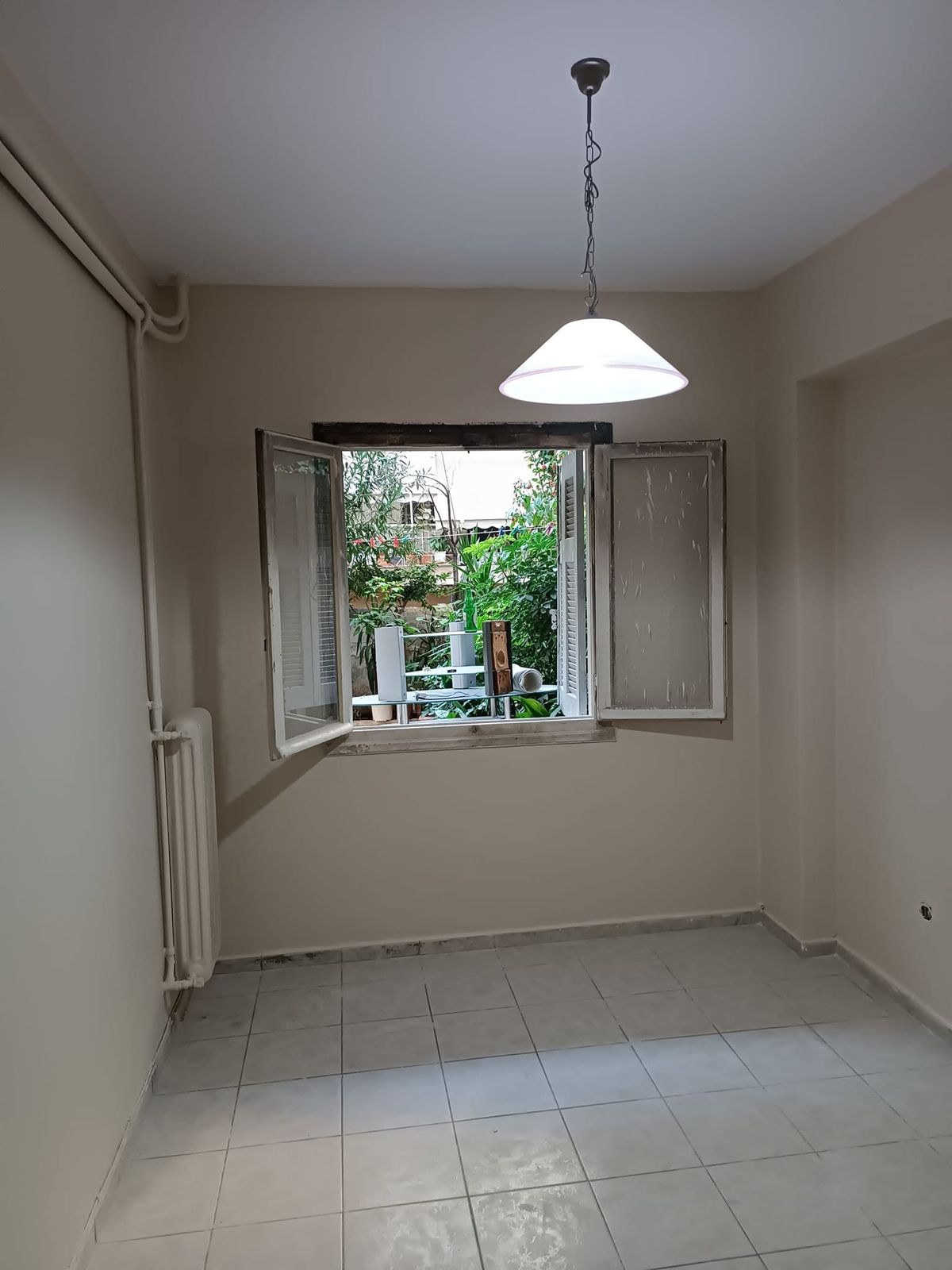
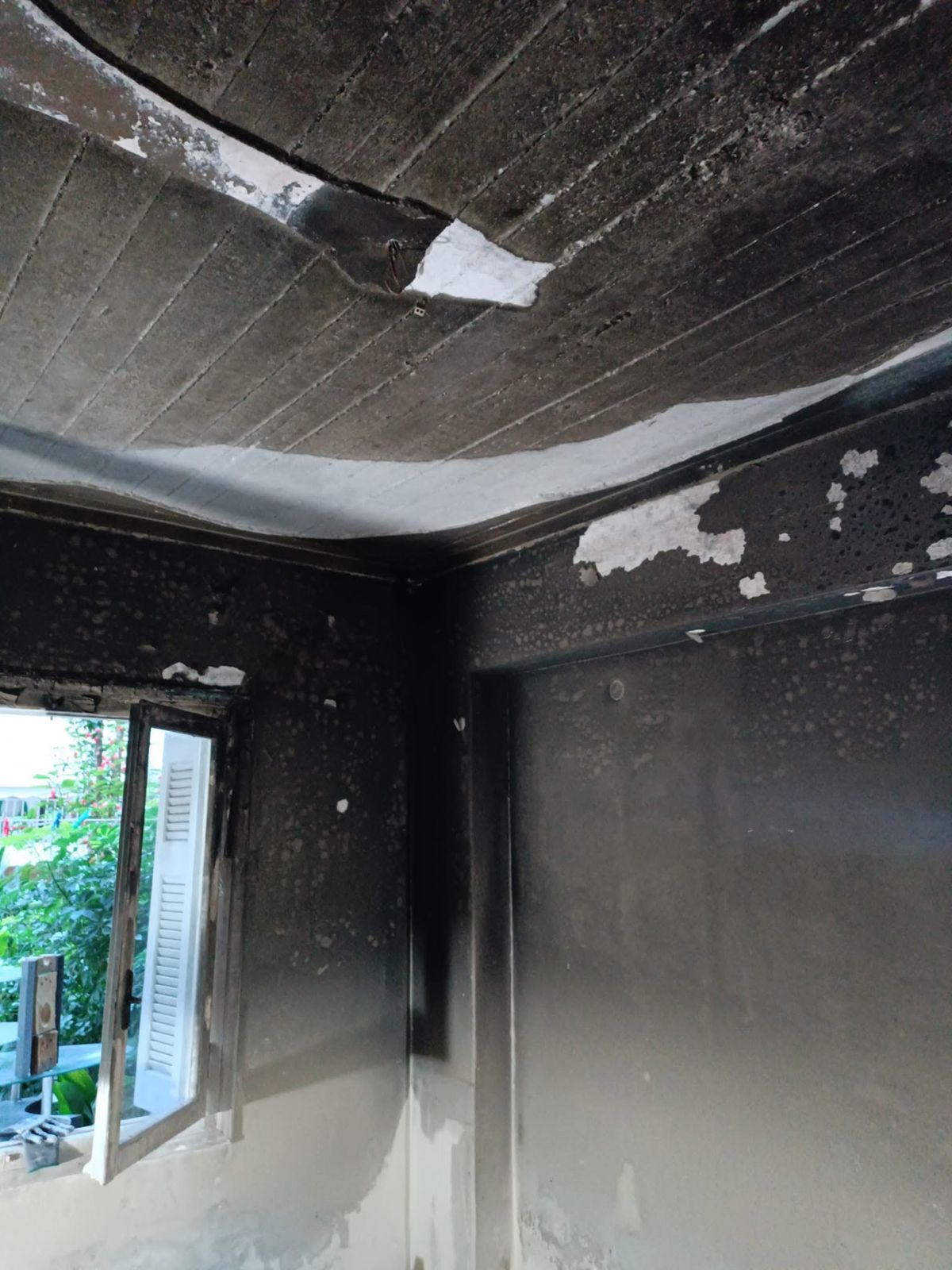
Restoring a Room After a Fire - After
Restoring a Room After a Fire - Before
BeforeAfter
Painting

Restoring a Room After a Fire

Walls and ceiling black with soot. Cleaning, plaster repairs and fresh paint made the room livable again.

See the job step by step
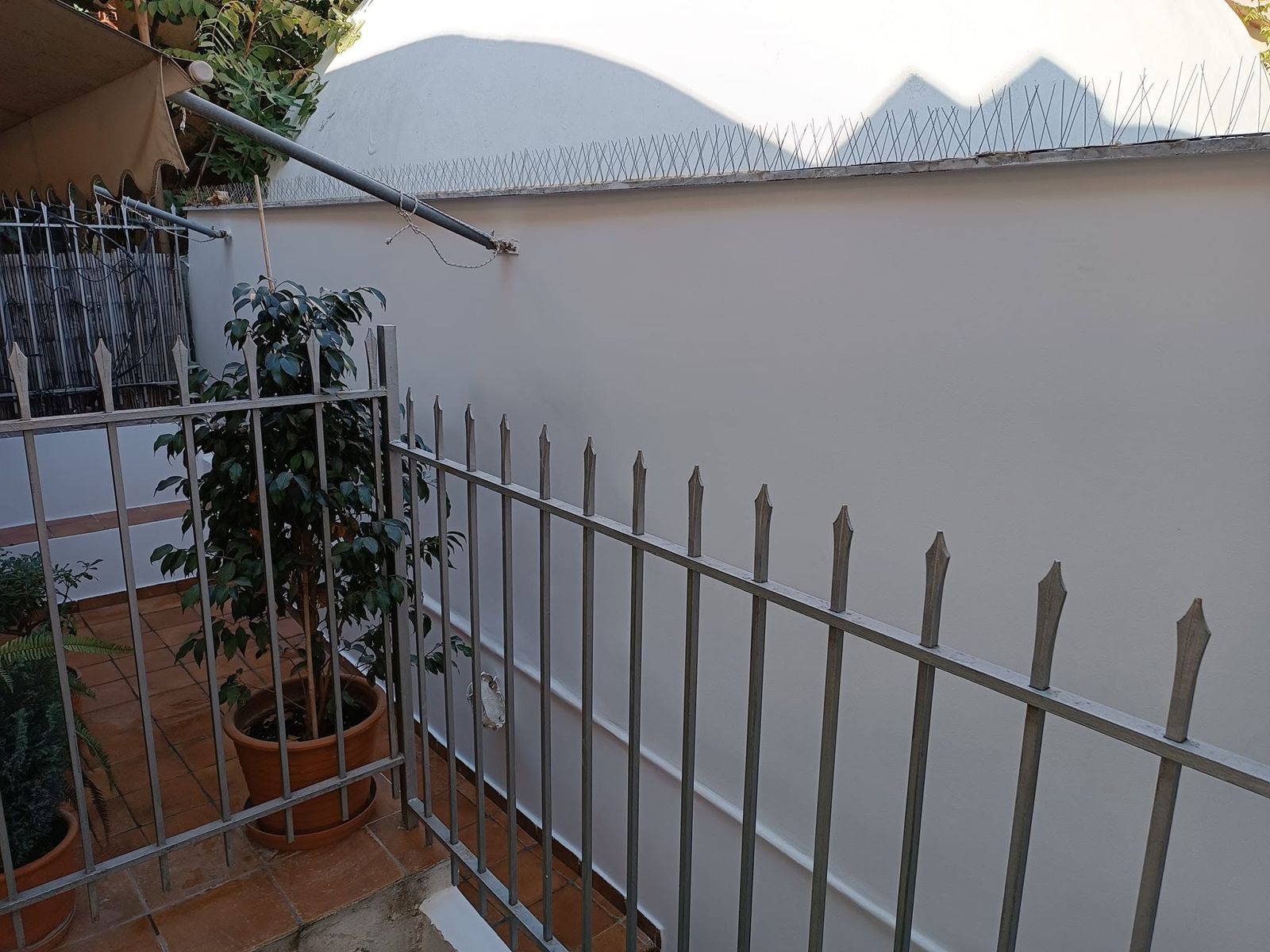
Courtyard Wall: Plaster Repairs and Fresh Paint
Painting

Courtyard Wall: Plaster Repairs and Fresh Paint

An outside wall with blistered and fallen plaster was patched, reinforced with mesh, given a thin finishing coat and painted white.

See the job step by step
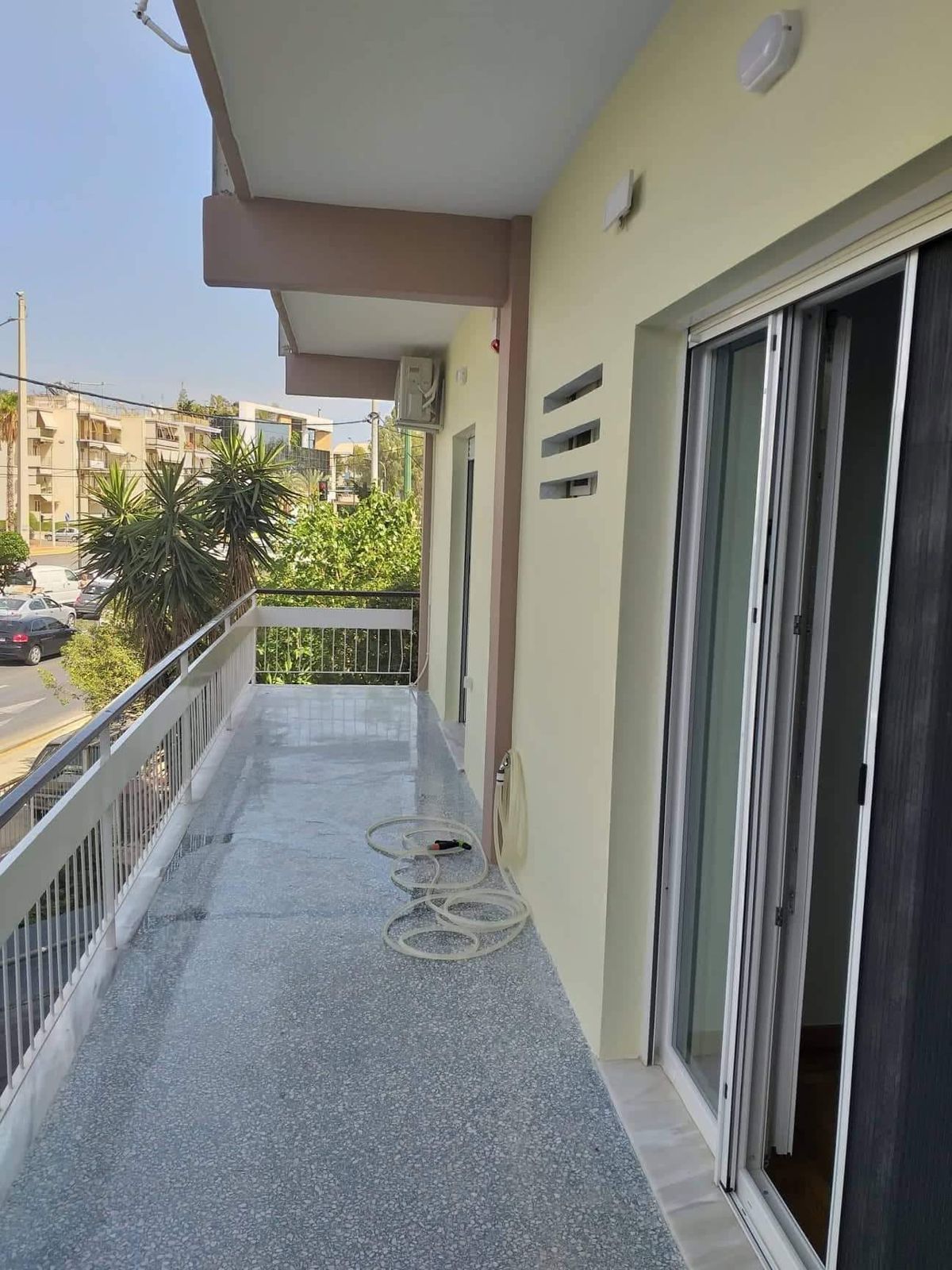
Balcony Walls Repainted
Painting

Balcony Walls Repainted

A neglected balcony was cleared and cleaned, and its walls were painted a soft yellow.

See the job step by step
CallWhatsApp