Quick answers
What happens to the rubble from a strip-out? Where does it go?
It is bagged inside the home, carried down with the shared areas protected, and has to end up with a licensed waste management scheme, not in the household bins.
There is always more rubble than you'd expect. Broken tiles, bricks, chunks of render, old adhesive and screed quickly fill bags, even in a small bathroom.
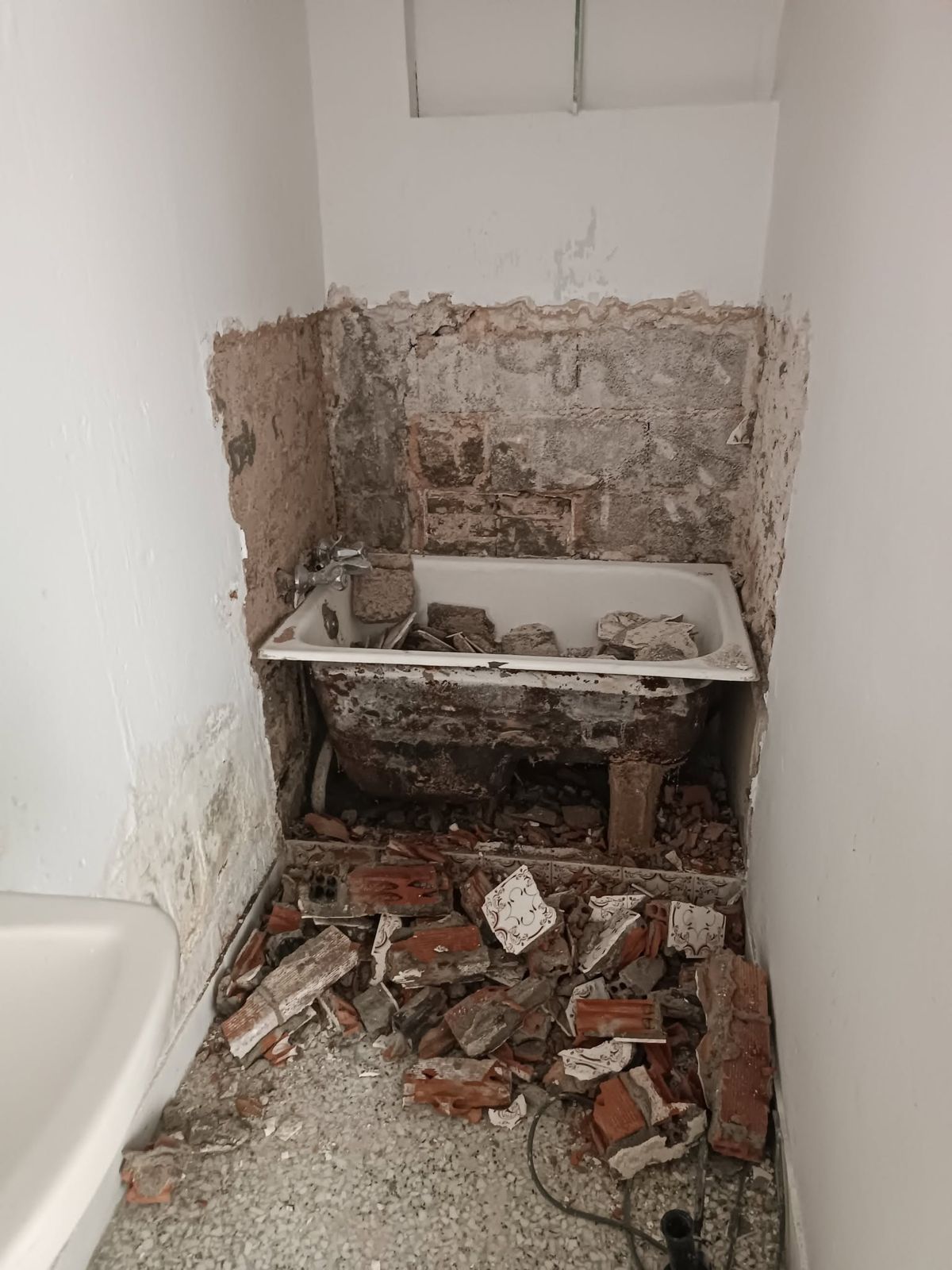
In this small bathroom, the bathtub's front panel and the tiles around it alone made a heap of bricks and tiles. That's why rubble is bagged inside the work area as the breaking goes on, so it doesn't spread through the rest of the home, as in the flat where the old floor was taken up.
In a block of flats, the bags go down the stairs or in the lift, with the shared areas protected, and are not thrown from balconies. From there they are loaded onto a small truck or into a skip. A skip on the street or pavement usually needs a permit from the municipality.
Rubble doesn't go in household bins or onto empty plots. Waste from building work has to end up with a licensed waste management scheme.
Keep in mind: before the work starts, ask who will take the rubble away, where it will go and whether its removal is included in the quote.
Jobs that show it
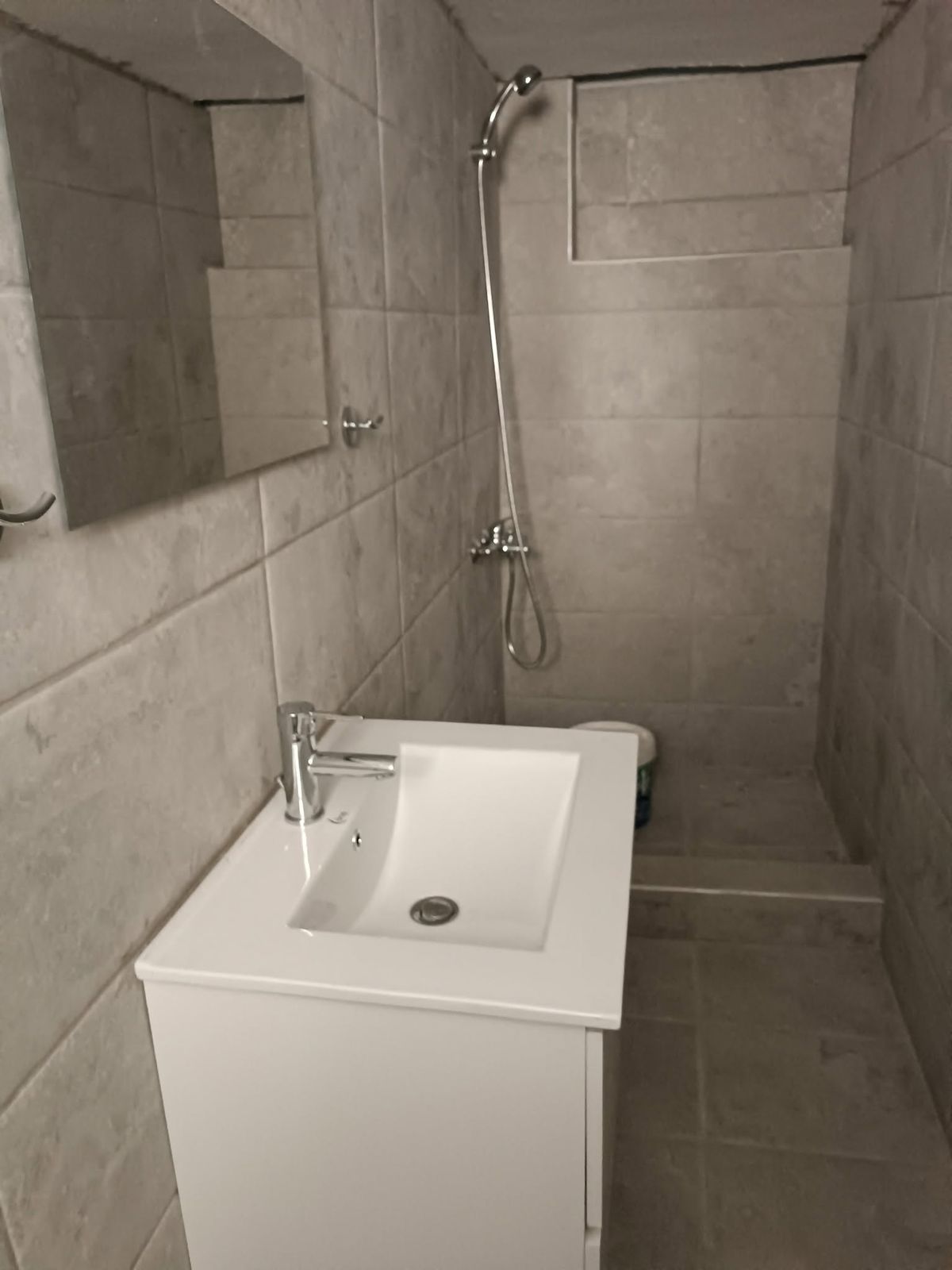
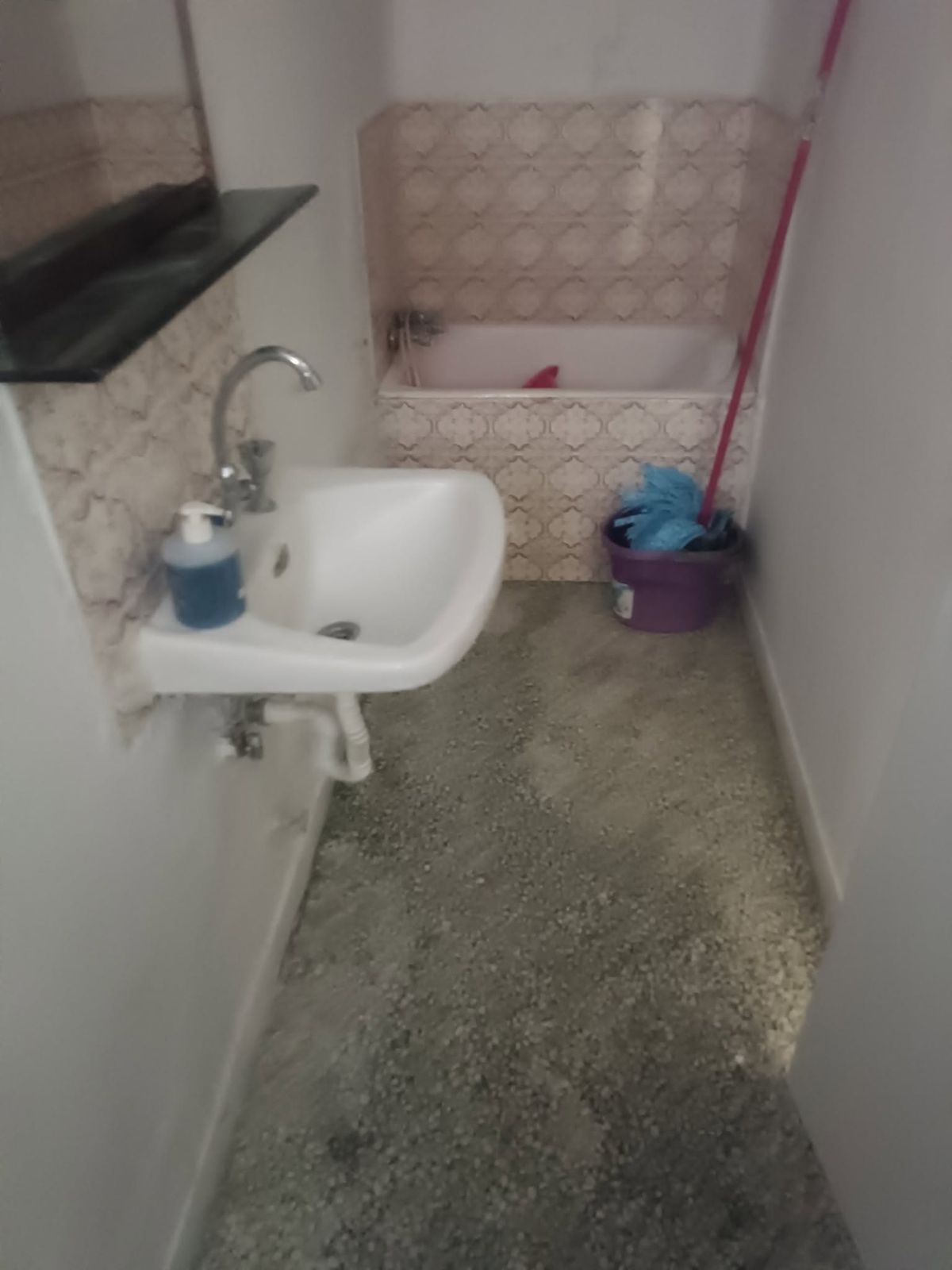
A Small Bathroom Renovation
A narrow bathroom with a tub became a shower room, with new pipework, floor-to-ceiling tiles and a new vanity unit.
See the job step by step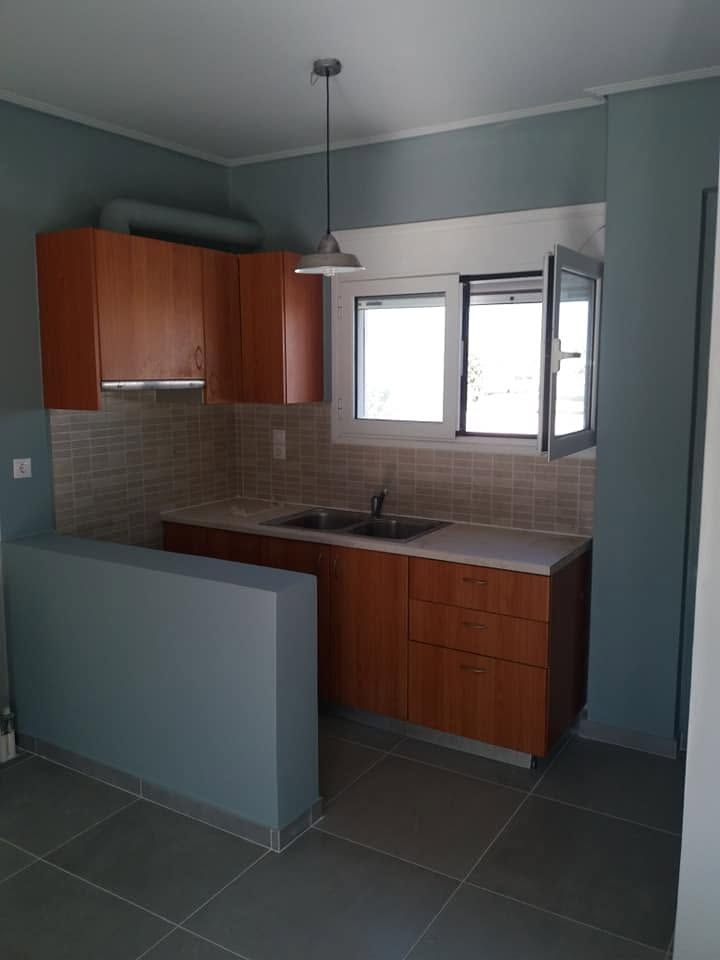
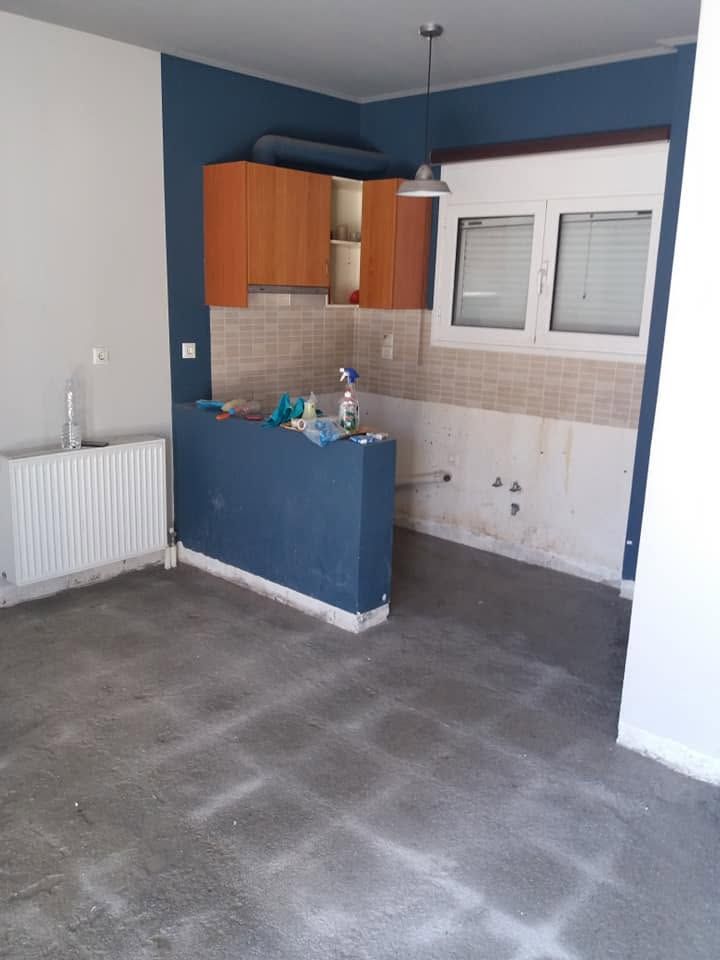
Small Flat with a New Floor and New Colours
The old floor was taken up and new tiles were laid, and the dark blue walls were repainted in a soft grey-green.
See the job step by step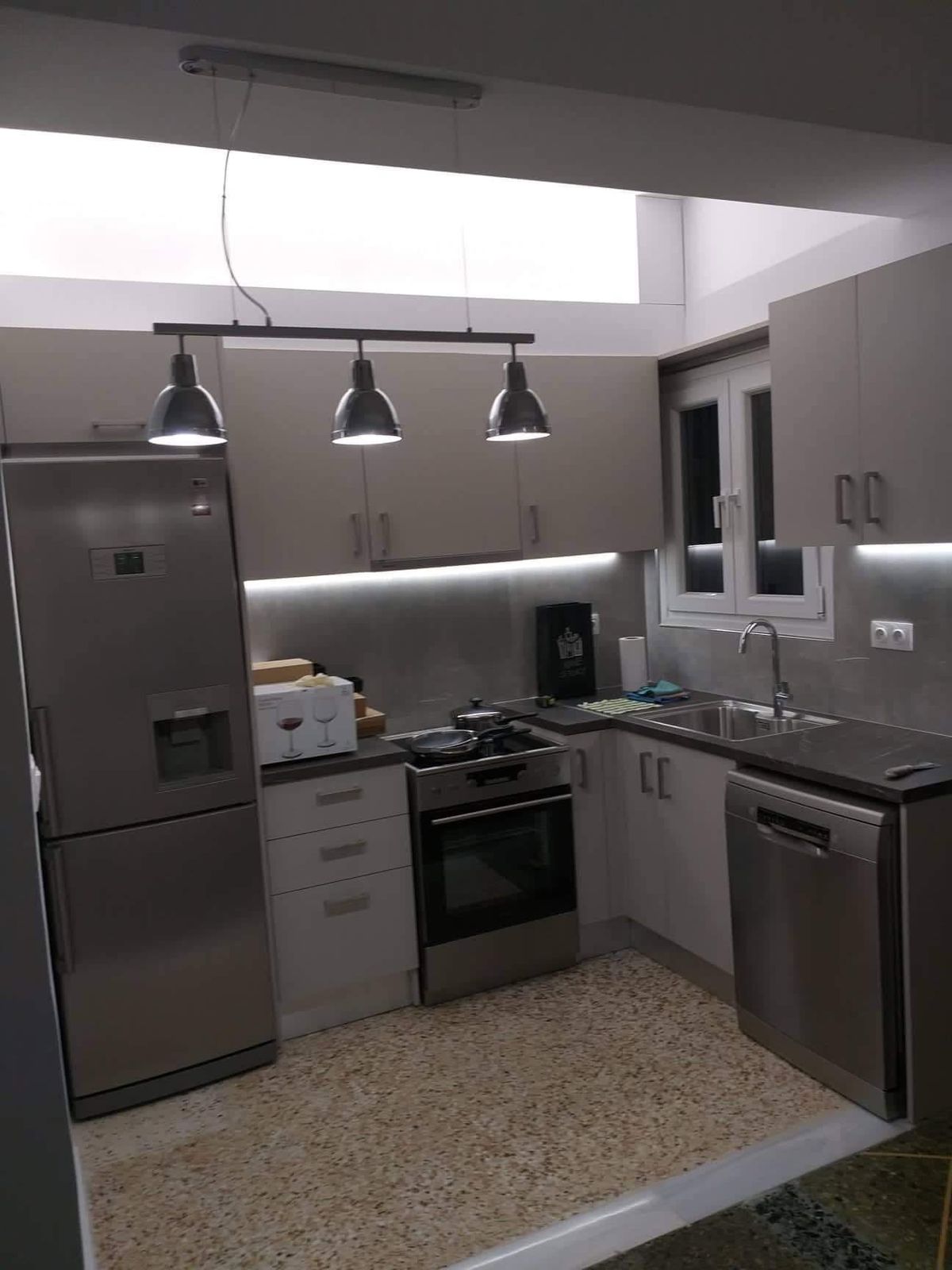
Kitchen Renovation from Drawing to Finish
An old kitchen was stripped out completely and replaced with a new grey kitchen with an island, built to the design drawing.
See the job step by step