Debris (rubble)
In other languages: Μπάζα · الأنقاض
The waste that comes out of demolition and building work: broken tiles, render, bricks and concrete. It is collected in bags and has to be disposed of legally.
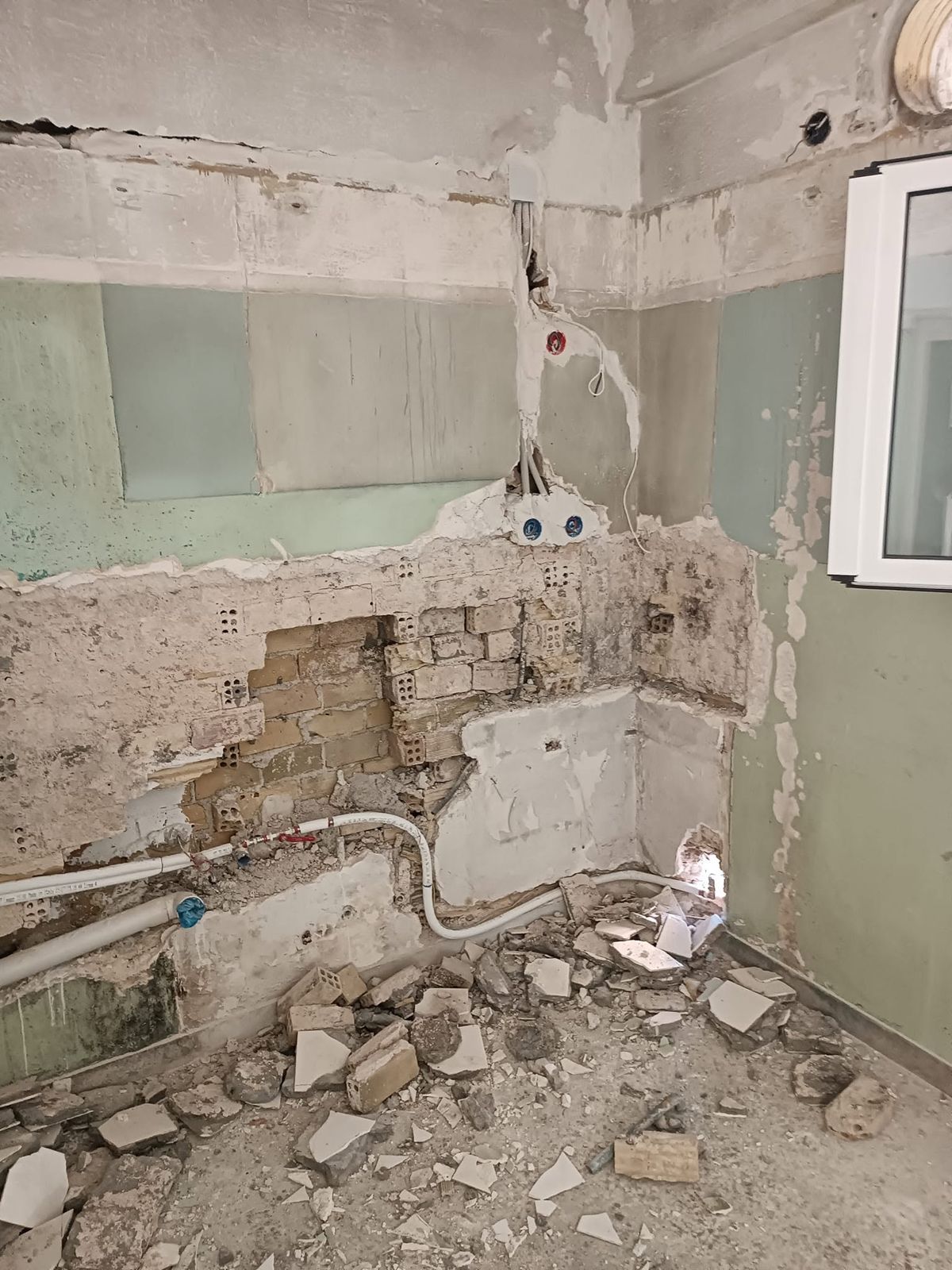
Every renovation produces rubble: broken tiles and bricks, chunks of render and concrete, old tile adhesive and screed. Even a small bathroom fills a lot of bags.
In apartment blocks, the rubble is bagged inside the flat and carried down the stairs or in the lift, with the shared areas protected. From there it is loaded onto a small truck or into a skip. A skip on the street or pavement usually needs a permit from the municipality.
Rubble must not go in household bins or be dumped on empty plots. Waste from building work has to end up with a licensed waste management scheme, and it is worth the owner knowing where it went.
Where you'll see it
- Quick answersWhat does it mean to strip a bathroom or kitchen "back to the brick"?
- Quick answersWhat happens to the rubble from a strip-out? Where does it go?
- Quick answersCan a balcony be waterproofed without breaking up the tiles?
- Quick answersThe flat above the pilotis has a cold floor. Can it be insulated?
- Courtyards, Sidewalks and Balconies: A Guide to Outdoor FloorsBalconies, Verandas and Falls
- Demolition and Strip-Out: What to Know Before the First BlowDust, Noise and Protecting the Home
- Demolition and Strip-Out: What to Know Before the First BlowRubble, and What to Ask
- Bathroom Renovation Step by Step: From Strip-Out to FixturesBefore You Start: The Decisions That Matter
- Bathroom Renovation Step by Step: From Strip-Out to FixturesStrip-Out and New Pipework
- Bathroom Renovation Step by Step: From Strip-Out to FixturesWhat to Ask and What to Check
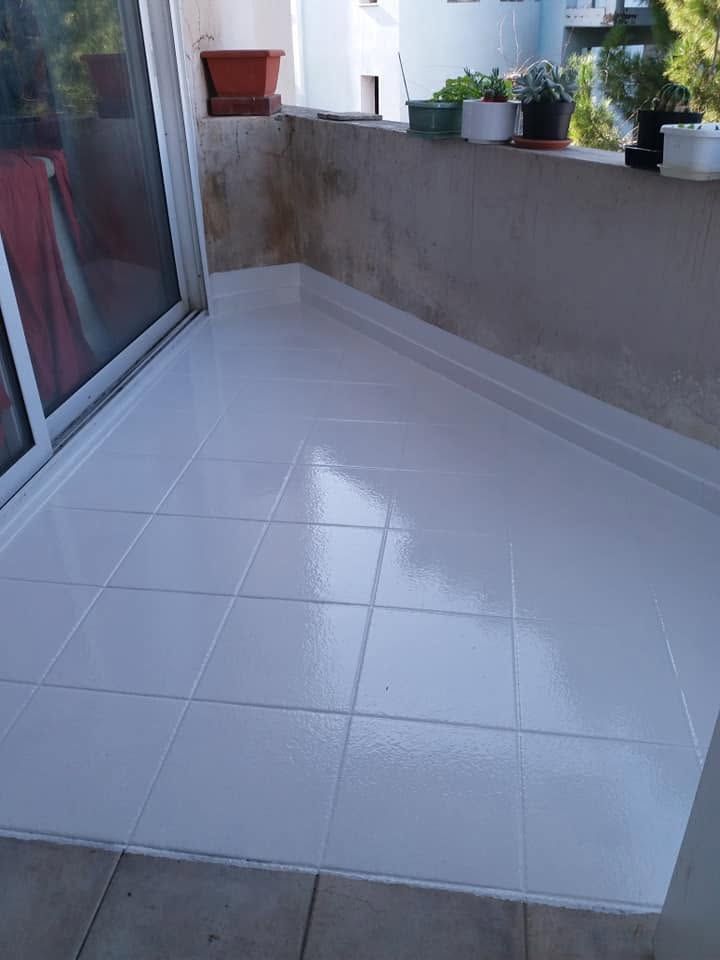 Balcony Tiles Sealed with a White Coating
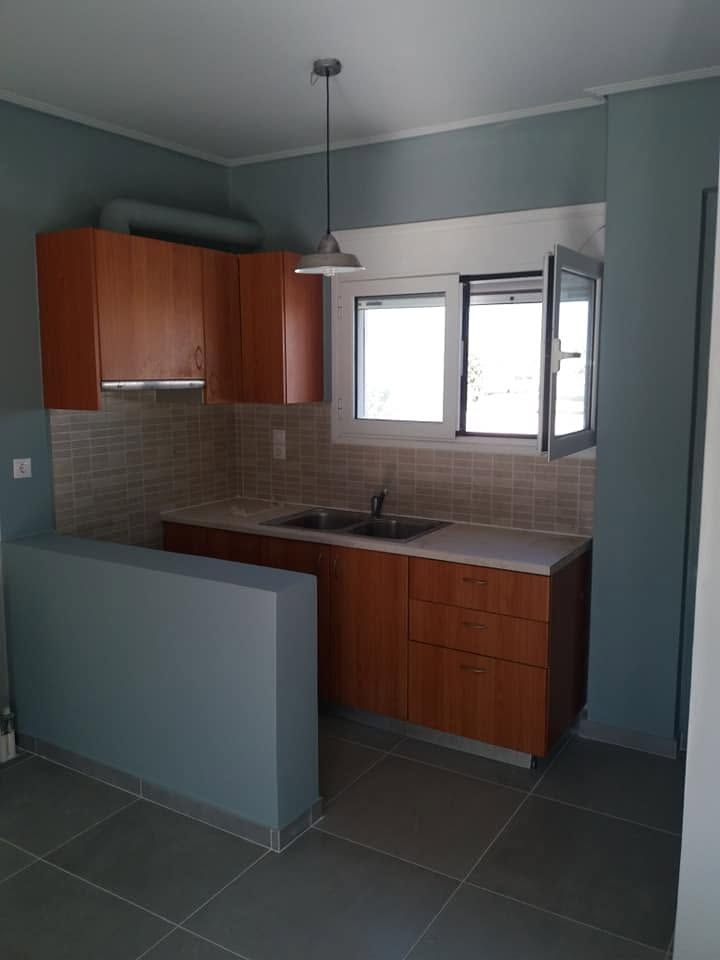 Small Flat with a New Floor and New Colours