Mould
In other languages: Μούχλα · العفن
Fungi that grow on damp surfaces, leaving black or greenish spots and a musty smell. It is a symptom of damp, not a problem with the paint.
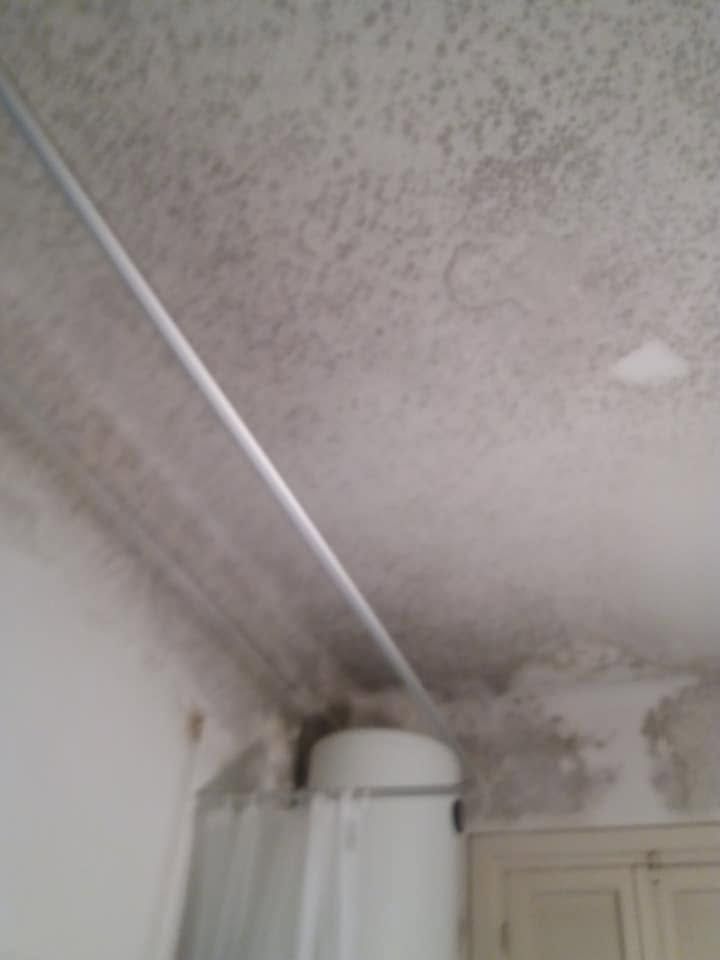
Mould is made up of tiny fungi that grow wherever a surface stays damp for long enough. Indoors it shows as black, grey or greenish spots, usually in corners, on ceilings, behind furniture, around windows and in bathrooms. Outside, together with moss, it turns north-facing walls green.
Behind mould there is always water: condensation from poor ventilation and cold walls, a leak from the roof or a pipe, or rising damp. If the cause isn't found and fixed, the mould comes back, even through fresh paint.
Before painting, the mould is cleaned off, the surface treated with a suitable fungicide and left to dry thoroughly. An anti-mould paint can then be used. Because the spores irritate the lungs, it is wise to wear gloves and a mask while cleaning and to keep the room aired.
Where you'll see it
- Quick answersCan I just paint over a damp or mouldy wall?
- Quick answersI have a damp stain on my ceiling. Is painting over it enough?
- Cracks, Loose Plaster and Rusty Steel: A Guide to Small RepairsDamp Patches: the Cause Comes First
- Damp and Fire-Damaged Rooms: The Work Before the PaintReading the Damage
- Damp and Fire-Damaged Rooms: The Work Before the PaintScraping Back to a Sound Base
- Damp and Fire-Damaged Rooms: The Work Before the PaintPlaster, Filler and Primer
- Damp and Fire-Damaged Rooms: The Work Before the PaintBefore the Work Starts
- Bathroom Renovation Step by Step: From Strip-Out to FixturesWhat to Ask and What to Check
- Facade Renovation & Painting: The Homeowner's GuideWhy Facades Deteriorate
- Facade Renovation & Painting: The Homeowner's GuidePreparation Is Everything
- Rising Damp: The Complete GuideWhat Rising Damp Actually Is
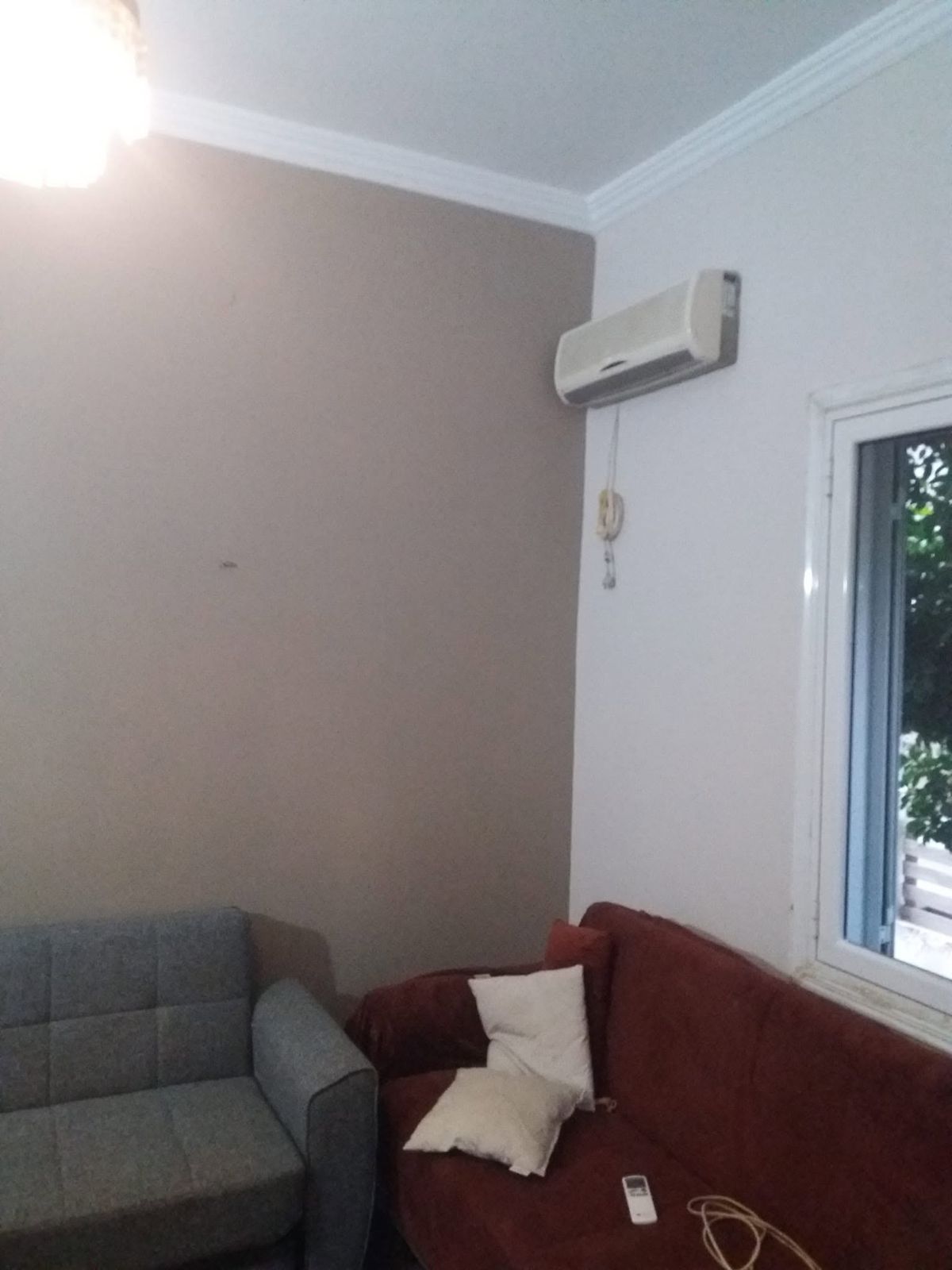 Flat with Mouldy Walls Cleaned Up and Repainted
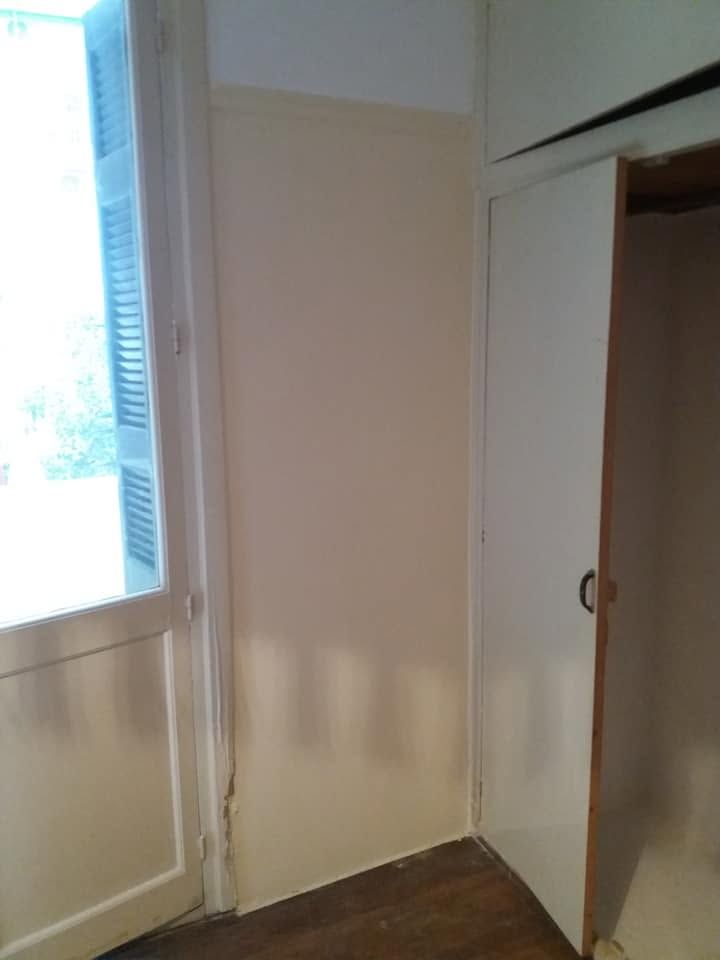 Old Apartment with Damp, Mould and Peeling Walls