Grout joint
In other languages: Αρμός (αρμολόγημα) · فواصل البلاط (الترويب)
The gap between tiles, slabs or stones, and the material that fills it. Grouting means filling these joints, which locks the surface together and keeps out water and dirt.
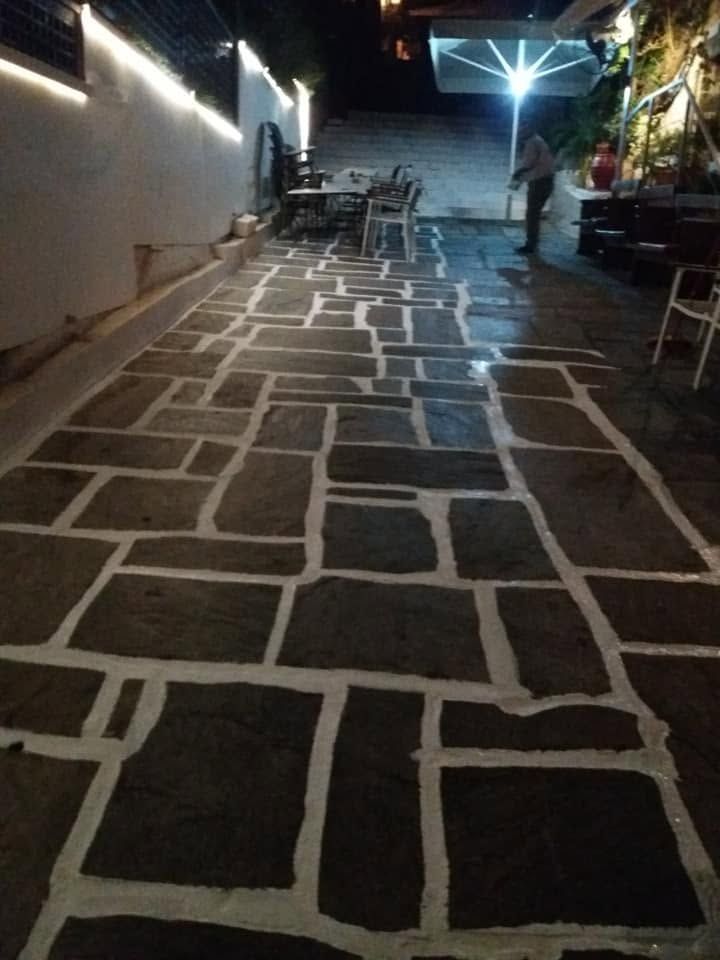
Tiles and stones are not laid tight against each other. A small gap, the joint, is left between them to take up small differences in size and the movement caused by heat and cold. Once the adhesive has set, the joints are filled with grout, a fine mortar that comes in many colours, or, where more resistance to water and stains is needed, with an epoxy grout.
Large surfaces such as roof terraces, courtyards and stone paving also have expansion joints: wider joints that divide the floor into sections so it can move without cracking. These are not filled with a rigid material but with a flexible sealant.
Over the years, joints darken, crumble or open up. In bathrooms and kitchens a failing joint collects mould, and on terraces and balconies joints are among the first places water gets in. Worn joints are raked out, cleaned and filled again. Along a bath or shower tray, where there is movement, silicone is used instead of grout.
Where you'll see it
- Quick answersCan a balcony be waterproofed without breaking up the tiles?
- Quick answersAfter rain, water sits on my balcony, mostly by the door. What's wrong?
- Quick answersDoes a shower need waterproofing under the tiles?
- Courtyards, Sidewalks and Balconies: A Guide to Outdoor FloorsStone Paving: New Joints or Relaying?
- Courtyards, Sidewalks and Balconies: A Guide to Outdoor FloorsBalconies, Verandas and Falls
- Bathroom Renovation Step by Step: From Strip-Out to FixturesFloor, Waterproofing and Render
- Bathroom Renovation Step by Step: From Strip-Out to FixturesTiles and Fixtures
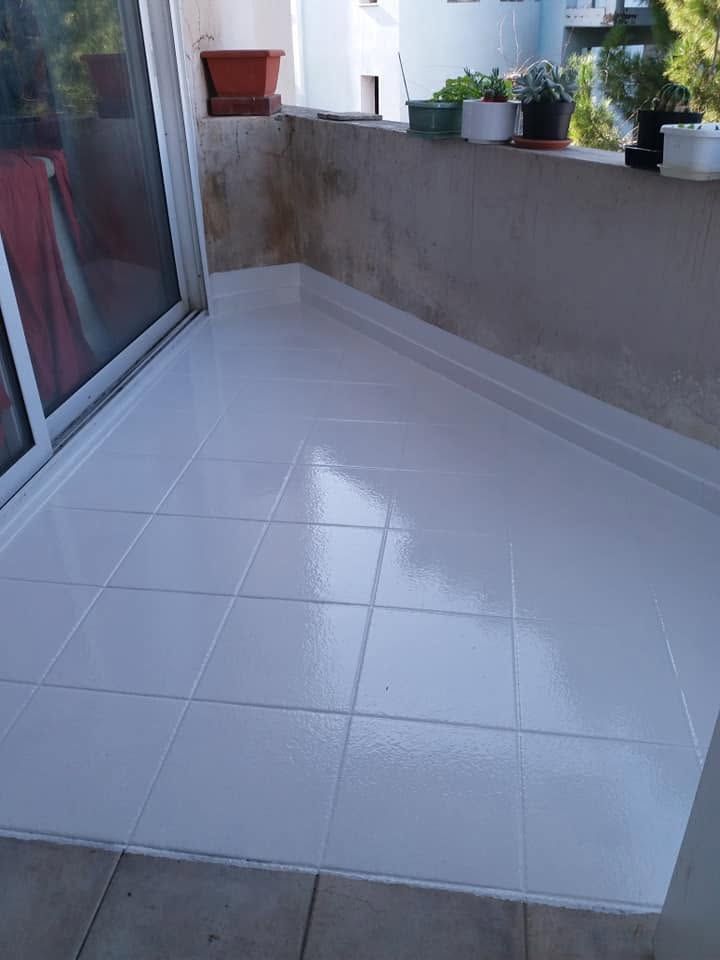 Balcony Tiles Sealed with a White Coating
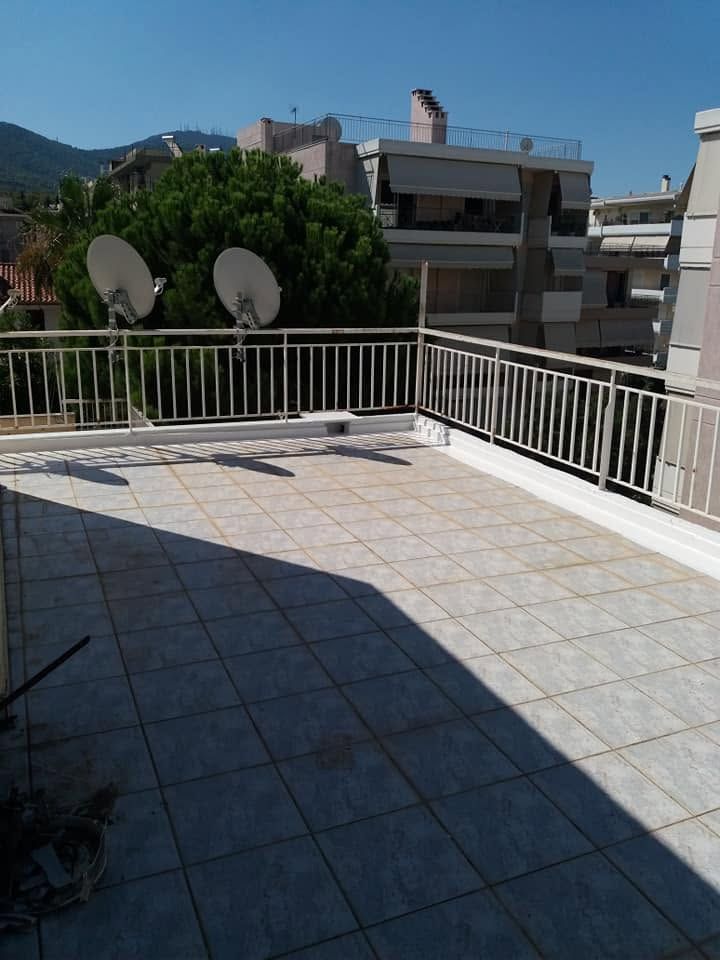 Sealing the Edges of a Tiled Terrace
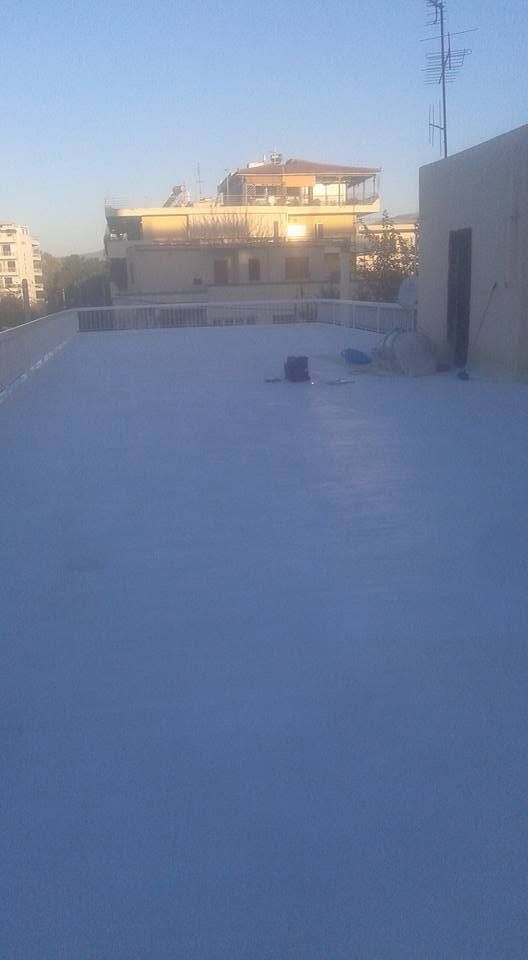 Railed Terrace Waterproofed in White